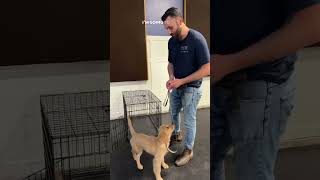
Teach your dog to walk calmly beside you instead of dragging you down the street. The method suits any age or breed and starts with understanding why the dog pulls. You need a flat collar or harness, a standard leash and some small treats.
YouTube video: How to FIX any DOG PULLING on The Leash!
YouTube’s video details do not confirm captions. Check CC in the player for available tracks.
Other videos for this task
- How to stop your dog pulling on the leash 11:56 · 8 written steps
- How to stop your dog pulling on the leash 7:30 · 7 written steps
- How to stop your dog pulling on the leash 9:15 · 7 written steps
- How to stop your dog pulling on the leash 7:36 · 7 written steps
- How to stop your dog pulling on the leash 7:47 · 7 written steps
- How to stop your dog pulling on the leash 9:28 · 7 written steps
- How to stop your dog pulling on the leash 6:32 · 6 written steps
- Video length
- 11 min 55 s
- Time to do it
- 20 minutes a day for 2 weeks
- Difficulty
- Easy
- Steps
- 7
What you need
Steps
Watch your dog on a normal walk and note when the leash goes tight. Pulling usually means the dog is rewarded by reaching something faster, so the walk itself is the reward.
Stand still the moment the leash goes tight. Do not yank or scold. Wait until the dog looks back or the leash slackens, then mark with a word like yes and reward.
Turn and walk the other way whenever pulling starts. Change direction often so the dog learns that tension stops forward movement.
Reward the dog for walking beside you. Drop a treat near your leg every few steps, then fade to every 10 to 20 steps.
Practice in a low-distraction spot first, such as a garden or empty car park. Add busier streets only when the dog walks loosely for several minutes.
Teach a turn cue by saying this way and changing direction before the leash tightens. Reward the dog for following you.
Keep sessions short, about 5 to 10 minutes, and end on a good loose-leash stretch. Repeat daily for a couple of weeks.
Tips and common mistakes
Never use a retractable lead during training, since it rewards pulling with more freedom.
Stop and stand still rather than pulling back, as tugging teaches the dog to pull harder.
Practice when the dog is fed but not full, so treats stay motivating.
Keep the leash loose in your hand and avoid wrapping it around your wrist.
Questions
How long does it take to stop a dog pulling?
Most dogs improve within two to three weeks of daily short sessions. Strong pullers or dogs with a long habit may need longer.
Should I use a prong or choke collar?
Avoid aversive tools unless a qualified trainer assesses your dog. Flat collars, harnesses and reward-based training are safer for most owners.
What if my dog pulls toward other dogs?
Increase distance from the trigger and reward any check-in with you. Practice at a distance where your dog can still focus on you.
The notes are drafted automatically from video details and general task knowledge. How the guide was prepared
Report a correction