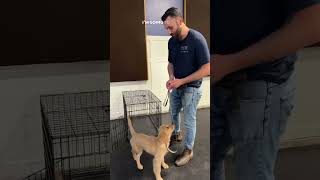
Teach your dog to walk without dragging you down the street. This guide covers the right collar and leash setup, watching leash tension, handling a strong dog, and turning away from distractions. Check the instructions for your exact model before choosing this setting or amount.
YouTube video: 5 Quick Tips To Stop Your Dog From Pulling On The Leash
Captions are available. Use CC in the YouTube player.
Other videos for this task
- How to stop your dog pulling on the leash 11:56 · 8 written steps
- How to stop your dog pulling on the leash 9:15 · 7 written steps
- How to stop your dog pulling on the leash 7:36 · 7 written steps
- How to stop your dog pulling on the leash 11:55 · 7 written steps
- How to stop your dog pulling on the leash 7:47 · 7 written steps
- How to stop your dog pulling on the leash 9:28 · 7 written steps
- How to stop your dog pulling on the leash 6:32 · 6 written steps
Choose a chapter (6)
- Video length
- 7 min 30 s
- Time to do it
- 15 minutes per session
- Difficulty
- Easy
- Steps
- 7
What you need
Steps
Put a flat collar on your dog instead of a harness while training. A collar gives you clearer control and lets your dog feel leash pressure, which a harness hides.
Clip a standard leash to the collar and hold the handle in one hand with some slack in the line. Keep the leash loose, not tight.
Start walking and watch the leash. The moment it goes tight, stop moving and stand still until your dog stops pulling and the line goes slack.
Reward your dog with a treat the instant the leash loosens and it looks back at you. Repeat this stop-and-go pattern on every walk.
If your dog is too big or strong, keep the walk short and practice in a low-distraction area first. Change direction before the leash gets tight so your dog has to follow you.
When your dog pulls toward something interesting, turn and walk the other way. Your dog learns that pulling never gets it closer to the thing it wants.
Stay consistent on every single walk. One loose-leash rule all the time works far better than strict training some days and letting pulling slide on others.
Tips and common mistakes
Practice in a quiet spot before trying busy streets or parks.
Keep sessions short and end while your dog is still doing well.
Never yank or jerk the leash; stopping your feet is enough pressure.
Carry small treats so you can reward slack leash quickly.
Questions
Should I use a harness or a collar for leash training?
The trainer recommends a collar over a harness while your dog is in training, because a collar makes leash tension easier for your dog to feel.
What do I do if my dog is very strong?
Keep walks short, start in a low-distraction area, and turn away before the leash goes tight so your dog has to follow you instead of dragging.
How long until my dog stops pulling?
It depends on the dog and how consistent you are. Stopping every time the leash tightens, on every walk, gives the fastest results.
The notes are drafted automatically from video details and general task knowledge. How the guide was prepared
Report a correction