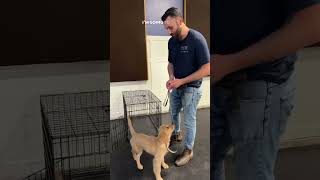
Teach your dog to walk at your side instead of dragging you down the street. This guide suits owners of strong or excited dogs that already wear a collar or harness. You need a leash, some treats and a quiet spot to practise.
YouTube video: How To Stop Your Dog PULLING On The Leash
YouTube’s video details do not confirm captions. Check CC in the player for available tracks.
Other videos for this task
- How to stop your dog pulling on the leash 7:30 · 7 written steps
- How to stop your dog pulling on the leash 9:15 · 7 written steps
- How to stop your dog pulling on the leash 7:36 · 7 written steps
- How to stop your dog pulling on the leash 11:55 · 7 written steps
- How to stop your dog pulling on the leash 7:47 · 7 written steps
- How to stop your dog pulling on the leash 9:28 · 7 written steps
- How to stop your dog pulling on the leash 6:32 · 6 written steps
- Video length
- 11 min 56 s
- Time to do it
- 20 minutes
- Difficulty
- Easy
- Steps
- 8
What you need
Steps
Start in a quiet place with few distractions, such as your garden or an empty car park. Your dog needs to be calm enough to notice you.
Hold the leash short but loose and stand still. Wait until the dog stops pulling and the leash goes slack before you move.
Walk a few steps and stop the moment the leash tightens. Stand still and wait for your dog to turn back or step toward you.
Reward the dog with a treat at your side the instant it stops pulling. Timing matters more than the size of the treat.
Change direction often so your dog has to watch you. Turn away and walk the other way when it starts to surge ahead.
Practise walking to a heel position, with the dog at your left side and its head near your leg. Reward it for staying there.
Add distractions slowly, such as passing people or other dogs. Go back to stopping and waiting if pulling returns.
Keep sessions short, around five to ten minutes, and repeat them daily. Consistency is what makes the habit stick.
Tips and common mistakes
Never yank or jerk the leash; stopping and waiting teaches more than force.
Reward the dog while it is still in the right position, not after it has moved away.
Practise in a low-distraction spot before trying a busy street or park.
Questions
Should I use a harness or a collar?
Either can work if it fits well and does not hurt the dog. A front-clip harness can give you more control over a strong puller.
How long until my dog stops pulling?
It varies by dog and how often you practise. Short daily sessions usually show progress within a few weeks.
What if my dog still pulls with treats?
Use higher-value treats and a quieter location. If pulling continues, get help from a qualified trainer.
The notes are drafted automatically from video details and general task knowledge. How the guide was prepared
Report a correction