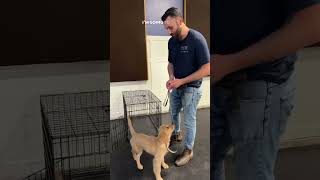
Leash pulling makes walks stressful and can put you off exercising your dog. This guide breaks the fix into simple training steps you can practise on every walk. It suits puppies and adult dogs and works best with a plain collar or harness and a standard lead.
YouTube video: Best Trick To Stop Your Dog Pulling On The Leash
YouTube’s video details do not confirm captions. Check CC in the player for available tracks.
Other videos for this task
- How to stop your dog pulling on the leash 11:56 · 8 written steps
- How to stop your dog pulling on the leash 7:30 · 7 written steps
- How to stop your dog pulling on the leash 9:15 · 7 written steps
- How to stop your dog pulling on the leash 11:55 · 7 written steps
- How to stop your dog pulling on the leash 7:47 · 7 written steps
- How to stop your dog pulling on the leash 9:28 · 7 written steps
- How to stop your dog pulling on the leash 6:32 · 6 written steps
- Video length
- 7 min 36 s
- Time to do it
- 15 minutes
- Difficulty
- Easy
- Steps
- 7
What you need
Steps
Start in a low-distraction place like your garden or a quiet street. Your dog needs to calm down before it can learn anything new.
Hold treats in the hand on the side you want the dog to walk. Let the dog see and smell them so it stays close to you.
Stand still and wait. The moment the dog stops pulling and the lead goes slack, say yes and give a treat.
Take one step forward. If the lead tightens, stop walking and stand still until the dog comes back and the lead loosens.
Reward every few steps where the dog stays beside you with a slack lead. Keep sessions short and end on a good rep.
Change direction often without warning. When the dog follows you and the lead stays loose, mark it and treat.
Practise in new places with more distractions only once the dog walks well at home. Go back a step if pulling returns.
Tips and common mistakes
Never let the dog drag you forward, even for a few steps, or it learns that pulling works.
Keep the lead loose and your arm relaxed instead of yanking back, which can make pulling worse.
Use tiny, high-value treats and cut them from your dog's daily food so training does not add weight.
Practise for a few minutes several times a day rather than one long session.
Questions
Should I use a harness or a collar?
Either can work if the lead stays loose. A front-clip harness can reduce pulling while you train, but the reward-based steps still do the real work.
How long until my dog stops pulling?
It varies by dog and how often you practise. Short daily sessions with consistent rewards usually show progress within a few weeks.
What if my dog is too strong for me to hold?
Train in a secure, enclosed space first and consider a qualified trainer for large or very strong dogs before walking in busy areas.
The notes are drafted automatically from video details and general task knowledge. How the guide was prepared
Report a correction