How To Force Your Neck Back Into Place, by Spine Ink on YouTube. 3 min 18 s.
- Video length
- 3 min 18 s
- Time to do it
- 10 minutes
- Difficulty
- Easy
- Steps
- 7
What you need
Steps
Stand sideways to a mirror or take a side-view photo. If your ears sit in front of your shoulders, you have forward head posture and this routine is for you.
Lie on your back and do a chin tuck: slide your chin straight back toward your spine without lifting your head off the floor. Hold for 10 seconds and do 10 reps.
Roll up a towel and place it under your upper back. Lie over it and let your upper back extend for 1 minute to wake up the muscles that have switched off.
Stand in a doorway with your forearms on the frame at shoulder height. Step forward until you feel a stretch across your chest and hold for 30 seconds on each side.
Lie face down and raise your arms into a Y shape. Hold each raise for 3 seconds and do 3 sets of 10 to strengthen the muscles that pull you upright.
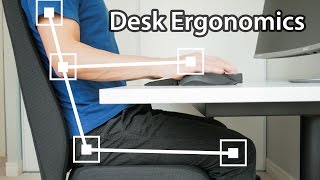
Raise your screen so the top of it sits at eye level. Every time you stand up from your desk, do one chin tuck.
Take a side-view photo today, repeat the routine daily, and compare the new photo with the old one after four weeks.
Tips and common mistakes
Keep the chin tuck small: it is a gentle glide straight back, not a chin jut or a nod down.
Stop and see a physiotherapist if you get neck pain, numbness or tingling, or if you have a recent neck injury.
Do the five steps in order every day rather than once a week, since each one prepares the next.
Most people quit before the Y-raises, so finish them even when the first stretches feel like enough.
Questions
How long until forward head posture improves?
The routine takes about 10 minutes a day. Take a side-view photo before you start and compare it with a new one after four weeks of daily practice.
Can I do these exercises at my desk?
The chin tucks and the standing chin tuck habit work at a desk. The towel extension, doorway chest stretch and Y-raises need floor space or a doorway.
Should I force my neck back into place?
No. Keep every movement slow and gentle. Forcing your neck can cause pain or injury, so get a physiotherapist to check you first if you have pain, numbness or tingling.
This guide was drafted from the video's details and general task knowledge. It has not been checked against the full video. Check the video and relevant product instructions before following a procedure. Report a correction.