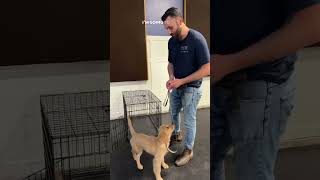
You will teach your dog to stop pulling and walk beside you on a loose lead using rewards, check-ins and simple games. It suits any age or breed, especially dogs that get distracted or react to other dogs. You need a flat lead, a well fitted harness or collar, and small food treats.
YouTube video: Loose lead dog walking: 9 skills for calmer walks | Take the lead
YouTube’s video details do not confirm captions. Check CC in the player for available tracks.
Choose a chapter (9)
- Video length
- 12 min 36 s
- Time to do it
- 10 minutes a day
- Difficulty
- Easy
- Steps
- 8
What you need
Steps
Put the lead handle over your thumb and gather the slack in loose loops. Keep the lead across your body and never wrap it around your hand.
Stand in a quiet spot and say your dog's name once. The moment they look at your eyes, mark it with a treat. Repeat five to ten times.
Scatter a handful of your dog's food on grass and let them sniff it out. Three to five minutes of nose work helps tire them before lead practice.
Walk forward and stop the instant the lead goes tight. Stand still until the lead is loose and your dog checks in, then move again.
Hold a treat at your hip and reward your dog for walking beside you. Feed on the same side and build the position one step at a time.
Turn and walk in a new direction without warning. Reward your dog when they catch up and settle beside you again.
When people or dogs approach, give extra space. Scatter a few treats and move away while your dog's nose is down.
Use check-ins, stop and go, and magnet rewards on a short route. Finish before your dog gets overexcited and end with an easy win.
Tips and common mistakes
Keep sessions short, about 5 to 10 minutes, and reward often.
Never jerk or yank the lead. Stop and wait for slack instead.
Use small, soft treats your dog loves and pay them on the same side you want them to walk.
Check local lead laws and keep your dog on a lead in public unless a sign says off leash.
Questions
How long does it take to stop a dog pulling?
It varies by dog and how often you practise. Short daily sessions usually work better than one long training walk.
What if my dog will not take treats around other dogs?
Move further away until your dog can notice the other dog and still eat. That distance is where training can start.
Should I use a harness or a collar?
Check the instructions for your exact model before choosing this setting or amount. A front clip harness can help with strong pullers.
The notes are drafted automatically from video details and general task knowledge. How the guide was prepared
Report a correction