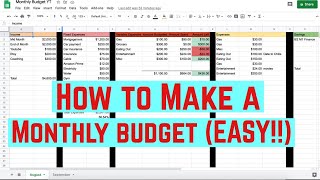
You will set up a simple spreadsheet that logs daily spending and turns it into a monthly budget you can actually stick to. It suits anyone who earns regularly but has no clear picture of where the money goes. All you need is Excel or Google Sheets and your bank statements.
YouTube video: 🟢 How 5 Minutes Can Save you Lakhs ? Personal Finance | #assetwave
YouTube’s video details do not confirm captions. Check CC in the player for available tracks.
Choose a chapter (5)
- Video length
- 15 min 15 s
- Time to do it
- 30 minutes
- Difficulty
- Easy
- Steps
- 8
What you need
Steps
Open a blank workbook and name the first sheet Expenses. Add five column headers: Date, Description, Category, Amount and Payment method.
On a second sheet called Categories, list the buckets you actually use, such as rent, groceries, transport, utilities, eating out and savings. Keep the list short and fixed.
Spend five minutes each evening typing in that day's spending, including small cash purchases. Do it before bed so nothing gets forgotten.
Add a planned amount column and an actual spend column to the Categories sheet. Pull the actuals with a SUMIF formula that adds the Amount column wherever the Category matches.
Add a Difference column that subtracts actual from planned. Negative numbers show where you overspent and need to trim next month.
Book 15 minutes at the end of each month to review the totals. Look at the two or three biggest categories and decide what to cut.
Copy the sheet each month or add a Month column, then build a pivot table or simple bar chart to compare months side by side.
Once a year, spend an hour on the annual summary. Check whether spending rose with income, then move the surplus into savings or investments.
Tips and common mistakes
Log expenses the same day, because catching up a week later usually means missing cash spends.
Keep the category list short, since twenty categories makes the monthly review slow and hard to compare.
Save the file to cloud storage so you can log a purchase from your phone while you are out.
Back up the workbook each month, as rebuilding a year of lost data is painful.
Questions
How long does the daily logging take?
About five minutes once the spreadsheet is set up. The monthly review takes around 15 minutes and the yearly check about an hour.
Can I use Google Sheets instead of Excel?
Yes. SUMIF, pivot tables and charts work the same way, and Sheets lets you log expenses from your phone.
What if I miss a few days?
Fill them in from your bank statement or card app at the weekend. A partial record still shows your spending patterns.
The notes are drafted automatically from video details and general task knowledge. How the guide was prepared
Report a correction