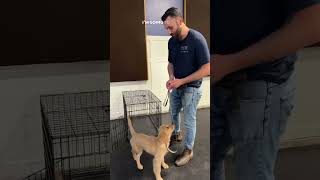
Resource guarding is when a dog growls, stiffens or snaps over food, toys or a favourite spot like the couch. This guide shows a reward-based approach that changes how your dog feels when people come near. It suits puppies and adult dogs, and works best with high-value treats and short daily sessions.
YouTube video: How to teach your dog to stop resource guarding #dogtrainer #puppy #puppytraining #yourpet
Caption availability is unknown. Check the CC control in the YouTube player.
- Video length
- 1 min 20 s
- Time to do it
- 10 minutes a day
- Difficulty
- Easy
- Steps
- 7
What you need
Steps
Work out exactly what your dog guards and when. Note the trigger, such as the couch, food bowl or a chewed bone, and how close you can get before your dog stiffens or growls.
Start at a distance where your dog stays relaxed and can still eat. Toss a high-value treat toward your dog, then walk away. Repeat a few times per session.
Move one step closer each session, always tossing the treat before your dog reacts. The goal is for your approach to predict good things, not a threat.
Teach a trade. Offer a treat or a second toy in exchange for the guarded item, let your dog take the treat, then give the item back so nothing is lost.
Practise drop it and leave it separately with low-value toys. Reward every time your dog lets go, then build up to items your dog values more.
Keep sessions to two or three minutes and end while your dog is still calm. Repeat daily and only add difficulty when your dog stays relaxed.
Never snatch the item away or punish a growl. A growl is a warning, and removing it leaves you with a dog who bites without warning.
Tips and common mistakes
Toss treats rather than holding them out, so your dog does not have to come to your hand to get paid.
If your dog has already bitten or drawn blood, stop and work with a qualified vet behaviourist or certified trainer.
Keep children and visiting dogs away from the guarded spot until training is well advanced.
Use several small pieces of food instead of one big treat so the session lasts longer.
Questions
How long does it take to fix?
It varies with the dog and how long the habit has been practised. Mild cases often improve in a few weeks of short daily sessions, but some dogs need months of work.
The notes are drafted automatically from video details and general task knowledge. How the guide was prepared
Report a correction