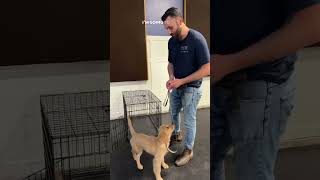
Teach your dog to walk on a loose lead using a step-by-step training method. It suits owners whose dog pulls on every walk, even if other methods have failed. You need a lead, treats and a quiet place to start, plus short daily sessions.
YouTube video: How to STOP Leash Pulling FAST (Simple Step-by-Step)
YouTube’s video details do not confirm captions. Check CC in the player for available tracks.
Other videos for this task
- How to stop your dog pulling on the lead 9:31 · 8 written steps
- How to stop your dog pulling on the lead 38:03 · 7 written steps
Choose a chapter (10)
- Video length
- 36 min 41 s
- Time to do it
- 2 weeks of daily 10 minute ses
- Difficulty
- Medium
- Steps
- 8
What you need
Steps
Prepare yourself mentally before the walk. Decide what behaviour you will reward and stay calm, because your dog reads your tension through the lead.
Use play and exercise to meet your dog's needs before training. A tired, satisfied dog pulls less, so add fetch or tug before lead work.
Practise at your dog's threshold, the distance from distractions where they can still focus on you. Start far away and only move closer when your dog stays calm.
Walk in new environments one at a time. Add a single new street or park only after your dog walks loosely in the previous place.
Build engagement by rewarding eye contact and checking in. Say your dog's name, mark and treat every time they look at you.
Run loose lead drills: stop when the lead goes tight, wait for your dog to release the tension, then reward and move on.
Teach a break cue so your dog knows when loose walking ends. Say the cue, then allow sniffing or a release as a reward.
Generalise the behaviour with different tools and places. Keep sessions short and repeat the drills in each new environment.
Tips and common mistakes
Never let your dog drag you forward, because every tight step rewards pulling.
Keep training sessions short and end while your dog is still succeeding.
Practise in a quiet place first and add distractions slowly.
Use a flat collar or well-fitted harness, and check with a vet or trainer before using any aversive tool.
Questions
How long does it take to stop leash pulling?
Most dogs improve within a few weeks of short daily sessions. Expect slower progress in highly distracting places.
Should I use a slip lead or prong collar?
The video covers tools but does not recommend a specific one. Ask a qualified trainer before using any tool that causes pain or fear.
What if my dog still pulls after training?
Go back to an easier distance from distractions and reward more often. A certified trainer can spot what you are missing.
The notes are drafted automatically from video details and general task knowledge. How the guide was prepared
Report a correction