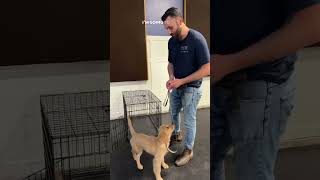
Leash pulling happens because pulling gets your dog where it wants to go. This guide shows how to change how you use the leash on walks so pulling stops working. It suits puppy and adult dog owners who can walk their dog somewhere calm for short practice sessions.
YouTube video: how to stop leash pulling
YouTube’s video details do not confirm captions. Check CC in the player for available tracks.
- Video length
- 3 min
- Time to do it
- 10 minutes
- Difficulty
- Easy
- Steps
- 6
What you need
Steps
Pick a quiet spot with few distractions for your first sessions. Short, calm practice works better than a full walk.
Stand still the moment the leash goes tight. Do not move forward while your dog pulls.
Wait for the leash to go slack. The instant it loosens, say yes and step forward again.
Change direction when your dog surges ahead. Turn away and walk the other way so pulling never leads forward.
Reward your dog with a treat when it walks beside you with a loose leash. Mark the moment with a calm yes.
Practice for a few minutes at a time, then end on a good rep. Repeat the same pattern on every walk.
Tips and common mistakes
Keep the leash loose in your hand and avoid yanking or jerking it.
Do not let your dog reach the thing it pulled toward until the leash is slack.
Train more than just walking, and keep sessions short so your dog stays focused.
Questions
Why does my dog pull on the leash?
Pulling usually works, so your dog keeps doing it. When pulling no longer gets your dog forward, the habit fades.
How long until my dog stops pulling?
It depends on the dog and how often you practice. Short daily sessions with a loose leash give the fastest progress.
The notes are drafted automatically from video details and general task knowledge. How the guide was prepared
Report a correction