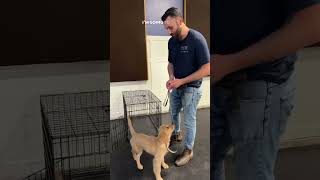
This guide walks you through a reward-based, three-stage method to stop your dog pulling on the lead. It suits owners with a strong or excitable dog and works best with a fixed-length lead, a flat collar or harness, and small high-value treats. Practise in short daily sessions.
YouTube video: The No-BS Method to Stop Lead Pulling
Caption availability is unknown. Check the CC control in the YouTube player.
Choose a chapter (4)
- Video length
- 15 min 36 s
- Time to do it
- 15 minutes a day
- Difficulty
- Medium
- Steps
- 6
What you need
Steps
Start in a quiet spot with no distractions. Fit a fixed-length lead to a flat collar or harness and fill a treat pouch with small, high-value food.
Stand still and lure your dog to your side with a treat. Say yes and reward when they stand beside you with the lead loose. Repeat five to ten times.
Walk a few paces and reward your dog for staying near you. Change direction often so they learn to check in and follow you instead of forging ahead.
Stop the moment the lead goes tight. Stand still, wait for your dog to stop pulling, then move forward again and reward the loose lead.
If your dog keeps pulling, turn and walk the other way or call them back to your side. Reward as soon as they return and the lead is slack.
Practise in short sessions in new places and add distractions slowly. End before your dog gets tired or overexcited, and reward calm walking.
Tips and common mistakes
Use a flat collar or harness with a fixed-length lead, not a retractable lead, especially near roads.
Reward your dog for walking beside you before the lead goes tight, not only after they pull.
Keep training sessions short and end on a successful rep so your dog stays keen.
Practise on quiet streets first and keep distance from traffic, other dogs and cyclists.
Questions
How long does it take to stop a dog pulling on the lead?
There is no fixed timeline. Daily short sessions with consistent stop-start walking usually show progress over several weeks, but every dog learns at a different pace.
Should I use a harness or a collar?
A well-fitted harness or flat collar both work. Avoid choke, prong or shock collars because they can cause pain and make pulling worse.
What should I do when my dog pulls toward another dog?
Increase the distance and reward your dog for looking back at you. Do not tighten the lead or shout, as that can add tension and excitement.
The notes are drafted automatically from video details and general task knowledge. How the guide was prepared
Report a correction