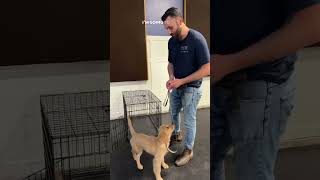
Resource guarding is when a dog freezes, growls or snaps over food, toys, a bed or a person. This guide covers the warning signs, the trade-up method and safe management at home. It suits owners of puppies and adult dogs, and works best with a qualified trainer for serious cases.
YouTube video: About Resource Guarding & Can you Vet Fix this? | Veterinarian Explains Dangerous Dogs
YouTube’s video details do not confirm captions. Check CC in the player for available tracks.
- Video length
- 7 min 49 s
- Time to do it
- 4 to 8 weeks of daily practice
- Difficulty
- Medium
- Steps
- 9
What you need
Steps
Watch for the warning signs: a stiff body, a hard stare, whale eye, a low growl or bared teeth. Note whether your dog guards places, people or things, and write down each trigger.
Stay back. Do not reach for the toy or food and do not pull the dog away by the collar. Leave the item with the dog and give it space until it relaxes.
Never punish a growl. A growl is a warning, and a dog punished for it may skip straight to biting. Remove the risk instead of the warning.
Try the trade-up method. Offer a high-value treat such as cooked chicken in exchange for the toy, let the dog eat it, then give the toy back so giving up is not a loss.
Practise in short sessions of two to five minutes, starting with low-value items and easy distances. End while the dog is still calm and successful.
Build confidence with reward-based training. Reward the dog for relaxing, for coming when called, and for letting people walk past its food bowl or bed.
Manage the home. Feed dogs in separate rooms, keep several identical toys out, and skip games where you grab a toy out of the dog's mouth.
Book a qualified trainer or veterinary behaviourist if the dog has bitten, lunged, or guards you or family members. Puppies under seven months have the best chance of improvement.
Do not ask for sedatives to fix the problem. Medication can make a guarding dog slower but it can still bite, so use it only under a vet's supervision alongside training.
Tips and common mistakes
Growling is information, not defiance. Punishing it can make the next bite arrive with no warning.
Keep the trade unequal: chicken or cheese should always beat the value of the item you want.
Resource guarding can be genetic, so some dogs need lifelong management rather than a cure.
Never leave a child alone with a dog that guards food, toys or a bed.
Questions
Can medication cure resource guarding?
No. Guarding is an emotional response, and sedatives only make a dog slower to react. A sedated dog can still bite, so medication is at most a training aid under vet supervision.
How long does it take to stop?
It varies. Puppies under seven months often improve with weeks of daily reward-based training, while adult dogs may need lifelong management and a behaviourist.
Should I just take the toy away to show who is boss?
No. Taking the item teaches the dog that people mean loss, which makes guarding worse. Trade for something better and give the item back.
The notes are drafted automatically from video details and general task knowledge. How the guide was prepared
Report a correction