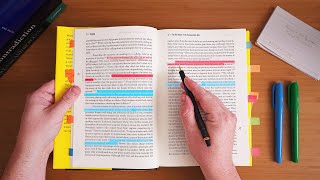
16 Note-Taking Secrets of the Top 1% of Learners, by Justin Sung on YouTube. 44 min 26 s.
- Video length
- 44 min 26 s
- Time to do it
- 20 minutes to set up, then ong
- Difficulty
- Easy
- Steps
- 8
What you need
Steps
Choose one place for all your notes, either a notebook or a single app. Keeping everything together makes review much easier later.
Before class or reading, skim the headings and write two or three questions you expect the material to answer.
Take notes in your own words. Write short phrases and connect ideas with arrows instead of copying sentences word for word.
Group related ideas into a simple concept map. Put the main topic in the centre and branch out to supporting points.
Leave space in the margin for questions and corrections. Fill these in after class or after finishing the reading.
Within a day, close your notes and write down what you remember. Then open them and fill the gaps in a different colour.
Turn key points into practice questions. Answer them from memory before checking your notes.
Review your notes on a spaced schedule, such as one day, one week and one month later. Focus on the parts you got wrong.
Tips and common mistakes
Do not highlight whole paragraphs. Highlight only the few lines you would need to rebuild the idea from memory.
If you cannot explain a section in plain words, you probably do not understand it yet. Go back to the source.
Keep notes short. Long notes feel productive but often hide gaps in understanding.
Questions
Should I take notes by hand or on a laptop?
Either works if you write in your own words and connect ideas. Handwriting can slow you down enough to think, while apps make searching and editing easier.
How often should I review my notes?
Review soon after the lesson, then again after about a week and a month. Short, regular reviews beat one long session before an exam.
This guide was drafted from the video's details and general task knowledge. It has not been checked against the full video. Check the video and relevant product instructions before following a procedure. Report a correction.