This guide gives you a simple routine for learning history without just rereading the textbook. You will use films, links between events, flashcards and marked pages to make facts stick. It suits school and college students revising for a written history exam. All you need is your textbook, a notebook and a pack of index cards.
YouTube video: How to Study History Easily? | Easy Tips and Tricks For Studying History 😎🏆| Letstute | #studytips
Caption availability is unknown. Check the CC control in the YouTube player.
Choose a chapter (6)
- Video length
- 3 min 17 s
- Time to do it
- 1 week of short sessions
- Difficulty
- Easy
- Steps
- 9
What you need
Steps
Skim the chapter before class. Read the headings, bold words and dates first so the story makes sense when your teacher explains it.
Watch a documentary or historical film about the period. Note which scenes match your textbook and which are dramatised or invented.
Make connections. For each event, write down what caused it and what it led to, then link it to something you already know.
Draw a timeline or map on one page. Put the key dates and places in order so you can see how events relate to each other.
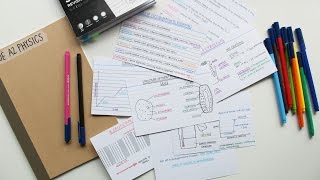
Make flashcards. Put a date, person or treaty on one side and the event and its importance on the other.
Add dog-ears. Fold the corner of every page holding a key fact so you can flip straight to it during revision.
Summarise each section in your own words, in five lines or fewer. If you cannot write it simply, reread that part.
Read one primary source, such as a letter, diary entry or newspaper article from the period. Ask what it tells you and what it leaves out.
Quiz yourself with the flashcards every day, then explain one topic out loud to a friend or study group.
Tips and common mistakes
Films and documentaries are a starting point only, so always check names and dates against your textbook.
Keep the same study slot each day, even if it is only 20 minutes, because short regular sessions beat one long cram.
Make cards for causes and consequences, not just dates, since exam questions usually ask why something happened.
Check your exam board's topic list so you do not waste time revising a period that will not appear.
Questions
Can watching movies really help me study history?
Yes, if you use them as a memory hook rather than a source of facts. Watch for the general mood and sequence of events, then confirm the details in your textbook.
How many flashcards should I make?
Aim for one card per key event, person or term, so a chapter might give you 20 to 30 cards. Fewer, well-made cards you actually test yourself on beat a huge stack you never open.
How do I remember all the dates?
Build a timeline as you go and group dates by decade or by ruler. Linking a date to a story or a picture is far easier than memorising a bare list of numbers.
The notes are drafted automatically from video details and general task knowledge. How the guide was prepared
Report a correction