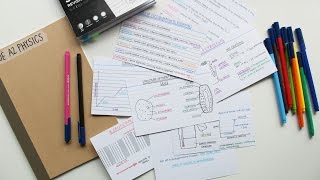
This guide walks you through six practical habits for exam revision: choosing a study spot, deciding what to cover, getting organized, taking breaks, staying focused and setting realistic expectations. It suits students preparing for final exams who want to learn more in less time. All you need is your notes, a quiet place and a simple plan.
YouTube video: How to Study Effectively for Exams - The 6 BEST Study Tips
YouTube’s video details do not confirm captions. Check CC in the player for available tracks.
- Video length
- 8 min 51 s
- Time to do it
- 1 hour to set up
- Difficulty
- Easy
- Steps
- 7
What you need
Steps
Pick a study spot with few distractions, good light and a comfortable chair. Use the same place each session so your brain links it to focused work.
List the topics your exam covers and mark which ones you know well and which need work. Focus most of your time on the weak topics.
Write a simple weekly plan with fixed study blocks and a clear goal for each block, such as finishing one chapter. Put it where you can see it.
Study in focused blocks of about 25 to 50 minutes, then take a short break of 5 to 10 minutes. Stand up, stretch and step away from your screen.
Remove distractions before you start: silence your phone, close extra tabs and keep only the materials for the current topic on your desk.
Test yourself instead of only rereading. Cover your notes and recall key points, or answer practice questions, then check what you missed.
Set realistic expectations by aiming for steady progress rather than perfect recall. Review your plan at the end of each week and adjust it.
Tips and common mistakes
Rereading notes feels productive but recalling information from memory is what builds exam-ready knowledge.
A short walk or glass of water during breaks works better than scrolling on your phone.
Start planning at least a few weeks before the exam so you can spread topics out.
Questions
How long should each study session be?
Aim for focused blocks of about 25 to 50 minutes followed by a 5 to 10 minute break. Adjust the length to what keeps your attention steady.
What if I run out of time before the exam?
Rank topics by how much they appear on the exam and how weak you are on them. Cover the highest-value topics first instead of starting from page one.
Does the study location really matter?
Yes. A quiet, consistent spot with few distractions helps you start faster and stay focused longer.
The notes are drafted automatically from video details and general task knowledge. How the guide was prepared
Report a correction