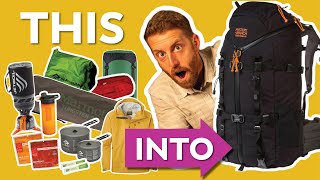
This guide walks you through the clothing, sleep gear and habits that actually keep you warm on a cold backpacking trip. It suits beginners and casual campers who want simple rules instead of gear hype. You only need your normal layers, a dry sleeping setup and a little planning before you leave.
YouTube video: Stop Believing These 5 Cold Weather Myths
Caption availability is unknown. Check the CC control in the YouTube player.
Choose a chapter (6)
- Video length
- 8 min 59 s
- Time to do it
- 30 minutes to pack
- Difficulty
- Easy
- Steps
- 7
What you need
Steps
Build a three-layer clothing system. Wear a thin synthetic or merino base layer, a fleece mid layer, and a puffy jacket for stops. Add a waterproof shell for wind and rain.
Cover your head and neck, but do not treat a hat as your whole plan. Some heat does leave through an uncovered head, yet you do not lose most of your body heat there. Insulate your core too.
Skip the drink before bed. Alcohol widens blood vessels near the skin, so you feel warm while losing heat, and it dulls the shivering response. Have water or a warm non alcoholic drink instead.
Leave cotton at home. Cotton soaks up sweat and rain, holds it against your skin and stops insulating. Use merino or synthetic base layers, socks and underwear, and keep one dry set for camp.
Keep your down dry. Down loses most of its loft when wet, so pack your quilt or jacket in a waterproof stuff sack or pack liner. A synthetic bag keeps some warmth when damp, so it suits wet trips.
Read the bag rating correctly. The number is usually a lower limit for a warm sleeper, not a comfort rating. Choose a bag rated below the coldest night you expect and match it to your pad.
Do a pack check the night before. Lay out your layers, dry sleep clothes and dry socks, then seal the sleep gear in a liner so nothing can get soaked on the walk in.
Tips and common mistakes
Eat a snack before bed, since your body burns fuel to stay warm overnight.
Change out of sweaty hiking clothes before you get into your sleeping bag.
Sleep in dry socks and a dry hat, and keep your water bottle insulated or upside down so the lid does not freeze.
Watch for slurred speech, clumsy hands and constant shivering, and get the person into a warm bag and shelter if these appear.
Questions
Do you lose most of your body heat through your head?
No. You lose heat through any uncovered skin, and your head is often the only part left bare. A hat helps, but covering your whole body matters more.
Is cotton really that dangerous in the cold?
It is a poor choice for active wear. Cotton holds moisture against your skin and stops insulating, so save it for dry camp clothes or leave it at home.
What does the number on a sleeping bag mean?
It is usually a lower limit for a warm sleeper, not a comfortable night for everyone. Pick a bag with some margin below the coldest temperature you expect.
The notes are drafted automatically from video details and general task knowledge. How the guide was prepared
Report a correction