A heavy pack gets tiring fast if you carry it wrong. This guide covers simple body position and strap habits that spread the load and keep you steady on the trail. It suits day hikers and backpackers carrying a loaded rucksack on long walks.
YouTube video: 4 Tips for Carrying a Heavy Rucksack #hiking #camping #trekking #backpacking #walking
YouTube’s video details do not confirm captions. Check CC in the player for available tracks.
- Video length
- 1 min 45 s
- Time to do it
- 5 minutes
- Difficulty
- Easy
- Steps
- 6
What you need
Steps
Loosen the shoulder straps, then fasten the hip belt snugly around your hip bones so the pack weight sits on your hips, not your shoulders.
Tighten the shoulder straps until the pack sits close to your back, then clip and adjust the sternum strap across your chest.
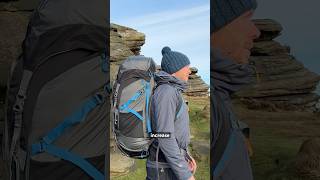
Stand tall with your head up and shoulders back. Keep the load over your feet instead of leaning forward.
Take shorter steps on climbs and keep a steady rhythm. Avoid bouncing or twisting your torso as you walk.
On steep ground, lean slightly into the slope and use trekking poles or your hands for balance.
Stop every hour or so to shift the straps and rest your shoulders before they get sore.
Tips and common mistakes
Pack the heaviest items high and close to your spine so the load feels lighter.
Check the hip belt first when the pack starts to hurt; most weight problems start there.
Keep the sternum strap loose enough to breathe easily on climbs.
Questions
Should the weight sit on my shoulders or hips?
Most of it should sit on your hips through a snug hip belt. The shoulder straps mainly keep the pack close to your back.
How do I stop the pack from swinging?
Tighten the shoulder straps and use the sternum strap. A pack that moves with every step wastes energy.
The notes are drafted automatically from video details and general task knowledge. How the guide was prepared
Report a correction