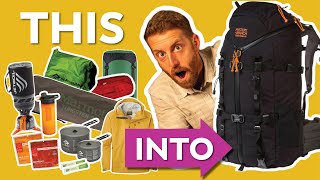
Cold, wet and windy weather can bring on hypothermia on a short day hike, even at 40°F. This guide covers the layers to wear and pack, how to handle breaks, the warning signs to watch for, and what to carry for an emergency.
YouTube video: Hypothermia on a Day Hike: What’s in My 15-lb Cold-Weather Pack
Caption availability is unknown. Check the CC control in the YouTube player.
Choose a chapter (13)
- Video length
- 9 min
- Time to do it
- 30 minutes
- Difficulty
- Easy
- Steps
- 10
What you need
Steps
Pack a down puffy, a hard shell rain jacket, a warm hat and earmuffs even when the forecast says 40°F. A day hike can turn cold within 30 minutes.
Wear a thermal base layer, long sleeve hoodie and leggings under the puffy. Add the shell on top as soon as wind or rain picks up.
Start the climb slightly cold. Open the shell, vent your pits and keep the puffy in the pack until you stop moving.
Add a layer the moment you stop for a break, before you feel chilled. Do it again at the summit and on long downhills.
Carry a foam sit pad for breaks and a sleeping quilt for emergencies. Sit on the pad instead of cold rock or snow.
Wear mittens over thin liner gloves so you can still work a zipper. Drop a hand warmer in each mitten when your fingers go numb.
Watch for the umbles: stumbles, mumbles, fumbles and grumbles. Clumsy hands, slurred speech or snapping at your partner means stop and warm up.
Take a 10 percent rain chance seriously. Keep the shell and one dry layer in a waterproof bag so a shower does not soak you.
Carry a satellite communicator, emergency bivy and space blanket. If you cannot walk out, get off the ground and into the bivy with the quilt.
Add the extra layers before the late afternoon cold sets in. Fading daylight is your cue to layer up, not to push on.
Tips and common mistakes
If shivering stops, or someone gets drowsy or confused, treat it as an emergency and call for help.
Wet clothes pull heat fast, so swap a sweaty base layer for a dry one at your first long stop.
Eat and drink something at every break, since your body needs fuel to keep making heat.
Questions
What temperature is dangerous for hypothermia?
Cool, wet and windy is enough. Many cases happen well above freezing, so a rainy, windy 40°F day can be riskier than a dry 30°F one.
What are the umbles?
Stumbles, mumbles, fumbles and grumbles. They are signs that your brain and muscles are cooling, and they mean stop and warm up.
Do I need a satellite communicator for a day hike?
Not always, but it helps where phone signal drops. A charged phone, offline map and a check-in time with someone at home cover shorter, busier trails.
The notes are drafted automatically from video details and general task knowledge. How the guide was prepared
Report a correction