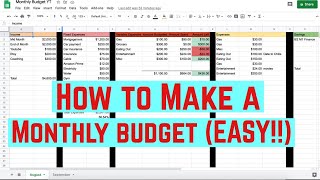
You will set up a simple cash envelope system for bills, everyday spending and sinking funds. It suits beginners who want to control spending with physical cash and a written budget. Start with your monthly income and fixed bills before you withdraw any cash.
YouTube video: CASH ENVELOPE STUFFING | saving $1,000 and changes to our budget 💸✨🤍 | oct. no. 1 | $3,236
Caption availability is unknown. Check the CC control in the YouTube player.
Choose a chapter (10)
- Video length
- 32 min 24 s
- Time to do it
- 45 minutes
- Difficulty
- Easy
- Steps
- 10
What you need
Steps
Add up your take-home income for the month. List fixed bills first, including rent, utilities, phone, insurance and debt payments, so you know what must be paid before cash goes into envelopes.
Choose a small set of cash categories, such as groceries, fuel, eating out, personal spending and household items. Keep the number low at first so the system stays easy to manage.
Set aside money for bills and the month ahead before you fill spending envelopes. Use a binder or labeled folder to hold bill envelopes and paid receipts.
Withdraw the cash for your envelopes after fixed bills and savings are covered. Break it into the amounts you planned for each category.
Label each envelope with the category and the amount inside. Put the envelopes in a binder, wallet or cash pouch that you will check before shopping.
Create sinking funds for known future costs, such as holidays, travel, car repairs and gifts. Add a small amount to each fund when you budget.
Keep a separate holiday envelope if that cost is coming up. Fund it monthly instead of relying on one large payment later.
Set up a personal envelope for your own spending. Agree a set amount so personal purchases do not pull money from bills or joint goals.
At the end of the month, count what is left in each envelope. Move leftovers to a savings challenge or back into the next month's budget.
Review the categories and amounts before the next payday. Adjust any envelope that ran out too fast or had too much left.
Tips and common mistakes
Keep only the cash you need for the week in your wallet and store the rest safely at home.
Start with fewer categories and add more after one month if the system feels too tight.
Count your envelopes before and after shopping so you notice missing cash early.
Do not borrow from bill envelopes to cover everyday spending.
Questions
How much cash should I put in each envelope?
Start with the amount your budget allows after fixed bills and savings. Adjust after one month based on what you actually spend.
What if I run out of cash in an envelope?
Stop spending in that category or move money from a lower priority envelope. Do not borrow from bill money.
Do I need a binder for cash stuffing?
No. A wallet, pouch or labeled envelopes work fine. A binder helps if you have many categories or sinking funds.
The notes are drafted automatically from video details and general task knowledge. How the guide was prepared
Report a correction