This guide shows you how to revise GCSE History so you know the content and can handle any question the exam throws at you. It suits students on any exam board, including AQA, Edexcel and OCR. You will need your specification, flashcards and past papers.
YouTube video: HOW TO GET A GRADE 9 IN GCSE HISTORY (Top Tricks They Don't Tell You)
Caption availability is unknown. Check the CC control in the YouTube player.
Choose a chapter (5)
- Video length
- 10 min 57 s
- Time to do it
- 30 minutes per session
- Difficulty
- Easy
- Steps
- 8
What you need
Steps
Find your exam board specification online and print the topic list for each paper. Tick off the topics your school has taught so you only revise content that can appear.
Build a timeline for each period with the key dates, people and events. Group entries by theme so causes and consequences sit next to each other.
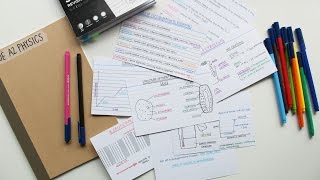
Turn each topic into question and answer flashcards. Cover the answer, say it out loud, then check and put the ones you missed back in the pile.
Close the book and write down everything you remember about a topic on a blank page. Open the book and fill the gaps in a different colour.
Answer past paper questions under timed conditions, giving yourself roughly one minute per mark. Keep the mark scheme out of sight until the timer stops.
Mark your answer with the mark scheme and rewrite the weak parts in full sentences. Note any wording the examiner rewards, such as specific dates or named factors.
Learn what each question stem wants, such as explain, how far or usefulness of a source. Match the number of paragraphs to the marks available.
Prepare a bank of evidence for each likely question, with two or three facts you can use as proof. Test yourself on random questions so nothing catches you out.
Tips and common mistakes
Little and often beats one long session, so revise History three or four times a week.
Always mark your own work, because reading the mark scheme teaches you what the examiner wants.
Learn dates and names as pairs with the event, so you never write a fact without its context.
Questions
How long should I revise for GCSE History?
Short regular sessions work best, around 30 minutes, three or four times a week, starting months before the exam. Add timed past papers in the final weeks.
Do I need to remember every date?
No. Learn the dates that show change or cause, and use the rest as rough periods. A few accurate dates used well beat a long list.
What if my school teaches different topics?
Check your specification and your teacher's topic list first. Revise only the units your school has covered, since the exam will test those.
The notes are drafted automatically from video details and general task knowledge. How the guide was prepared
Report a correction