You will learn a set of simple habits that help you store new English words and recall them when you speak. It suits beginner and intermediate learners who want a steady routine. You only need a notebook or a flashcard app and a few minutes each day.
YouTube video: How to Memorize New English Words FAST | 10 Easy Vocabulary Tips
YouTube’s video details do not confirm captions. Check CC in the player for available tracks.
- Video length
- 24 min 47 s
- Time to do it
- 20 minutes a day
- Difficulty
- Easy
- Steps
- 7
What you need
Steps
Pick 5 to 10 new words a day from what you read or hear. Small batches are easier to keep in memory than long lists.
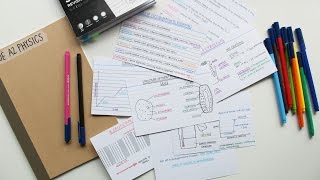
Write each word on a card with its meaning, a simple example sentence and the pronunciation. Say the word out loud as you write.
Group words by topic, such as food, travel or work. Related words are easier to recall together.
Review your cards the next day, then again after three days and after a week. Short repeated reviews beat one long session.
Use each new word in one spoken or written sentence of your own. Making your own example fixes the meaning.
Test yourself by covering the meaning and saying it from the word. Check only after you have tried to recall it.
Say the words in short daily conversations or record yourself speaking them. Using a word out loud makes it stick.
Tips and common mistakes
Review old cards before adding new ones so your list does not pile up.
Learn the word in a full phrase, not alone, so you know how to use it.
Skip cramming a long list the night before a test; spread it over several days.
Questions
How many new words should I learn a day?
Start with 5 to 10. A small number you review regularly is better than a long list you forget.
How often should I review?
Review the next day, then after three days and after a week. Adjust the gaps as words become easy.
Do I need an app?
No. Paper cards work well. A flashcard app just makes spacing and shuffling easier.
The notes are drafted automatically from video details and general task knowledge. How the guide was prepared
Report a correction