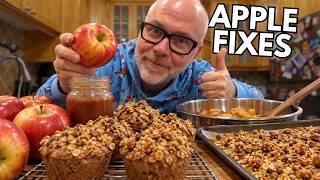
How To Make Apple Cider + Home Composting, by Walters Fencing on YouTube. 21 min 12 s.
- Video length
- 21 min 12 s
- Time to do it
- 1 hour hands-on, plus 3 to 4 w
- Difficulty
- Medium
- Steps
- 8
What you need
Steps
Pick or buy ripe apples and rinse them. Cut out bruises, rot and worms. You want enough fruit to fill your fermenting vessel about three quarters full.
Sterilise the bucket, lid, airlock, spoon and bottles. Rinse everything with clean water and let it drain before any juice goes in.
Crush the apples into a pulp, then press them to collect the juice. No press? Blend small batches and squeeze the pulp through muslin.
Pour the juice into the sterilised bucket, leaving a gap at the top. Add cider yeast, or leave it to ferment on the wild yeast already on the skins.
Fit the lid and airlock and keep the bucket at roughly 18 to 21C. It will bubble for one to three weeks, then slow down as the sugar runs out.
Siphon the cider off the sediment into a clean vessel, leaving the sludge behind. Let it settle for another week or two, then bottle it.
For the compost, put a bin on bare soil in part shade. Layer soft green waste with dry brown material like cardboard, leaves or straw.
Keep the heap as damp as a wrung out sponge and turn it every couple of weeks. Chop big chunks so they break down faster.
Tips and common mistakes
Never fill the fermenter to the brim, or the foam will push through the airlock.
Top up the airlock with water now and then so air cannot get in and spoil the cider.
Keep steriliser and brewing chemicals away from children and pets, and follow the label dilution.
Leave meat, dairy, cooked food and pet waste out of a home compost bin.
Questions
How long until the cider is ready to drink?
Fermentation takes one to three weeks, then a week or two to clear. It tastes better after a month or two in the bottle.
Can I make cider without a press?
Yes. Blend the apples in small batches and squeeze the pulp through a clean cloth. It is slower and you get less juice.
Why did my cider stop bubbling?
The yeast has likely finished, or the room is too cold. Check the temperature and give the bucket a gentle swirl.
This guide was drafted from the video's details and general task knowledge. It has not been checked against the full video. Check the video and relevant product instructions before following a procedure. Report a correction.