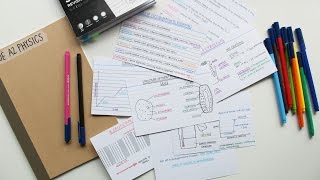
Build a simple revision timetable that spreads topics out over your exam weeks instead of cramming one subject at once. It suits students revising for school, sixth form or A-level exams. You only need a list of your subjects and topics plus a calendar or planner.
YouTube video: HOW TO MAKE AN EFFECTIVE REVISION TIMETABLE | Spaced Repetition and Organisation
YouTube’s video details do not confirm captions. Check CC in the player for available tracks.
- Video length
- 2 min 1 s
- Time to do it
- 20 minutes
- Difficulty
- Easy
- Steps
- 6
What you need
Steps
Write down every subject and the topics you need to revise for each exam.
Note your exam dates so you know how many weeks you have to cover everything.
Split each subject into smaller topics instead of treating it as one block.
Spread the topics across your timetable so each one comes up more than once, with gaps between repeats. This is spaced repetition.
Fill each study day with at least one topic so you do something every day.
Stick to the plan once it is written and tick off each topic as you finish it.
Tips and common mistakes
Revising 100% of a subject in one go is less effective than spacing topics out over several sessions.
Keep each day light enough that you can actually finish it, or you will fall behind.
Review the timetable each week and move topics that slipped.
Questions
What is spaced repetition?
It means spreading topics out across your timetable with gaps between sessions instead of revising everything at once. Repeating a topic after a break helps you remember it longer.
How many topics should I plan per day?
At least one topic each day keeps you moving. Add more only if you can realistically finish them.
What if I fall behind the plan?
Move the missed topics to later free slots rather than cramming them all at once. Keep the gaps between repeats.
The notes are drafted automatically from video details and general task knowledge. How the guide was prepared
Report a correction