A revision timetable splits your study time across subjects so you cover everything before exams. It suits students revising for GCSEs, A levels or mocks. You only need a list of your subjects, your exam dates and a blank weekly grid.
YouTube video: how to make a revision timetable! *quick, easy, simple + effective*
YouTube’s video details do not confirm captions. Check CC in the player for available tracks.
- Video length
- 6 min 1 s
- Time to do it
- 20 minutes
- Difficulty
- Easy
- Steps
- 8
What you need
Steps
Write down every subject you need to revise and the date of each exam. Put the closest exam at the top of the list.
Work out how many weeks you have left before your first exam. Count the free evenings and weekend hours you can realistically study.
Draw a weekly grid with the days across the top and time slots down the side. Mark school, work and fixed commitments first.
Give each subject a colour. Fill the free slots so every subject gets at least one session each week.
Give subjects with closer exams or weaker grades more slots. Keep sessions to around 30 to 60 minutes.
Add short breaks between sessions and leave one free evening a week as a buffer for catch-up.
Stick the timetable where you will see it, such as above your desk. Tick off each session as you finish it.
Review the timetable every week and move sessions that you missed to the buffer slots.
Tips and common mistakes
Be realistic about how many hours you can focus, or the plan will fall apart in the first week.
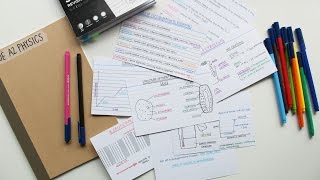
Revise actively with past papers and flashcards rather than just rereading notes.
Keep the timetable visible so it becomes a habit, not a one-off task.
Questions
How many subjects should I revise per day?
Two or three is usually enough for a focused evening. Rotating subjects across the week helps you remember more.
What if I fall behind my timetable?
Use the buffer slots you left free and adjust next week's plan. A timetable is a guide, not a strict rule.
The notes are drafted automatically from video details and general task knowledge. How the guide was prepared
Report a correction