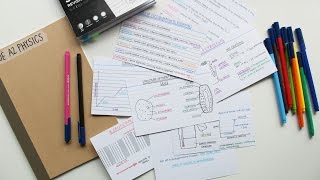
Check the instructions for your exact model before choosing this setting or amount. It suits GCSE, A level and college students who feel behind or keep drifting between subjects. Have your exam timetable and topic lists to hand before you start.
YouTube video: HOW TO MAKE A REVISION TIMETABLE‼️☕️📚 #alevels #alevel #gcse #gcses #alevelrevision #gcserevision
Caption availability is unknown. Check the CC control in the YouTube player.
- Video length
- 1 min 40 s
- Time to do it
- 30 minutes
- Difficulty
- Easy
- Steps
- 8
What you need
Steps
Write out every subject and paper with its exam date and start time. Put them in date order so you can see how many weeks you have before the first exam.
Break each subject into topics using your specification or revision guide contents. Mark each topic red, amber or green depending on how confident you feel.
Count the study blocks you honestly have each week. Leave out school, travel, meals, clubs and one rest evening so the plan is one you can keep.
Give red topics the most slots and green topics a short recap only. Mix two or three subjects across a day instead of one subject for hours.
Fill in a paper grid or a Google Sheets template. Write the subject and the exact topic in each block, not just the subject name.
Add past paper blocks from about six weeks before the exam. Time them at the real exam length so you practise finishing under pressure.
Set a 15 minute review at the end of each week. Move unfinished blocks to free slots and re-rate topics that have moved to amber or green.
Put the finished timetable where you will see it, such as above your desk or as your phone lock screen, and tick off each block as you finish.
Tips and common mistakes
Plan in 25 to 45 minute blocks with a 5 to 10 minute break, because long unfocused sessions waste time.
Keep one evening free each week so a missed day does not make you abandon the whole plan.
Test yourself with closed-book recall instead of rereading notes, which feels productive but sticks less.
Update the timetable every Sunday rather than rewriting it from scratch when something slips.
Questions
How many hours should I revise a day?
Most students manage two to four focused hours on a school day and more at weekends. A steady routine beats one big number you cannot repeat.
What if I fall behind my timetable?
Move the missed topics into the next free block and cut green topics to a quick quiz. Do not add hours to every day to catch up.
Should I revise one subject a day?
Mixing two or three subjects a day keeps you fresher and helps each one stick. Whole days on one subject get dull fast.
The notes are drafted automatically from video details and general task knowledge. How the guide was prepared
Report a correction