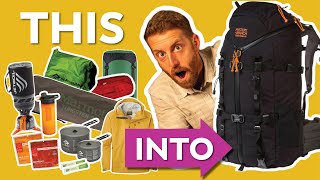
You will learn how to choose base, mid and outer layers for winter activities such as walking, running, hiking, skiing and snowboarding. It suits anyone who wants to stay warm without overheating and needs a simple layering system they can adjust outdoors.
YouTube video: How to Layer for Winter Activities - Skiing, Snowboarding, Running, Hiking | Mountain Warehouse
Caption availability is unknown. Check the CC control in the YouTube player.
Choose a chapter (7)
- Video length
- 3 min 25 s
- Time to do it
- 10 minutes
- Difficulty
- Easy
- Steps
- 7
What you need
Steps
Decide how cold it will be, how hard you will work and how long you will be outside. Use that to pick the warmth of your base, mid and outer layers.
For everyday winter wear, start with a moisture-wicking base layer, add a warm fleece or jumper, then a windproof or waterproof outer jacket.
For a winter walk or hike, wear an insulating mid layer and a weatherproof shell. Open vents or remove the mid layer when you start to feel too warm.
For winter running, choose a lighter, breathable base layer and a thin mid layer. Avoid heavy insulation that makes you overheat after you warm up.
For skiing or snowboarding, pick a warm moisture-wicking base layer, add a fleece or insulated mid layer, and finish with a waterproof, windproof outer layer.
For cycling, camping or watching outdoor sport, add a packable extra layer for stops and wind. Remove it before you sweat, then put it back on when you cool down.
Check your layers before you get too hot or cold. Add or remove a layer, open vents or change a wet base layer as conditions change.
Tips and common mistakes
Choose synthetic or wool base layers; cotton holds sweat and dries slowly.
Start slightly cool because you will warm up once you start moving.
Carry a spare dry base layer for long or remote winter trips.
Check the weather forecast before you leave and pack a waterproof shell.
Questions
What is the difference between base, mid and outer layers?
The base layer sits against your skin and moves sweat away, the mid layer traps warmth, and the outer layer blocks wind and rain.
Should I wear the same layers for running and skiing?
No. Running creates more heat, so use lighter layers. Skiing and snowboarding usually need warmer base and mid layers plus a waterproof outer.
How can I stop overheating in winter clothes?
Start slightly cool, open vents, and remove a layer before you sweat heavily. Put it back on when you stop moving.
The notes are drafted automatically from video details and general task knowledge. How the guide was prepared
Report a correction