The ONE Big Mistake That’s Making You COLDER, by Elias Winter Secrets on YouTube. 17 min 19 s.
- Video length
- 17 min 19 s
- Time to do it
- 10 minutes
- Difficulty
- Easy
- Steps
- 9
What you need
Steps
Pick a base layer in wool or synthetic fabric. Skip cotton, because it holds sweat against your skin and stays wet.
Add a fleece or thin synthetic mid layer over the base. This is your working layer for the climb.
Put on the puffy jacket only when you stop or rest. Take it off again before you start moving.
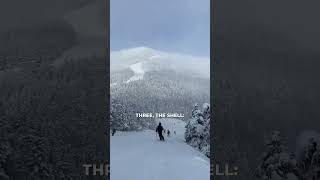
Wear a windproof shell on the outside to block wind and wet. Open the vents or pit zips when you start to heat up.
Start the hike feeling slightly cold. You will warm up within a few minutes of walking.
Before you sweat, open your shell or remove the mid layer. Do it early, not after you are already damp.
At a rest stop, put the puffy on straight away and keep your shell over it if it is windy or wet.
If your base layer gets wet, change into a dry spare before you stop for long.
Pack the layers you took off in a dry bag so they stay dry for the next stop.
Tips and common mistakes
More clothes is not always warmer. Trapped sweat cools you fast when you slow down.
Take layers off early and do not talk yourself out of it.
Keep your puffy away from rain and wet snow, since a soaked jacket loses most of its warmth.
Shoveling or hiking in deep snow is hard work. Take breaks, lift small loads, and get help if anyone shivers hard, gets confused, or has numb white skin.
Questions
Why do I feel cold even with lots of layers on?
You are probably sweating and your clothes are wet. Wet fabric pulls heat away from your body, so dry layers beat more layers.
Can I wear a cotton t-shirt as a base layer?
No. Cotton soaks up sweat and dries slowly. Use wool or a synthetic base layer instead.
When should I wear the puffy jacket?
Put it on when you stop moving and take it off before you start again. It is a resting layer, not a hiking layer.
This guide was drafted from the video's details and general task knowledge. It has not been checked against the full video. Check the video and relevant product instructions before following a procedure. Report a correction.