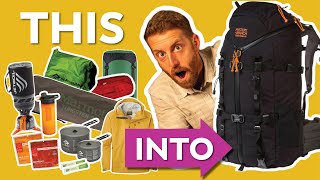
You will learn how to shift a three-season backpacking kit for cold, wet shoulder-season trips, from active layering on the climb to a warmer camp and sleep system. It suits hikers heading into fall or alpine conditions who already own basic backpacking gear. A rain shell, warm insulation and a properly rated sleep setup are the key requirements.
YouTube video: How My Backpacking Setup Changes in the Cold
Caption availability is unknown. Check the CC control in the YouTube player.
Choose a chapter (14)
- Video length
- 12 min 42 s
- Time to do it
- 2 hours
- Difficulty
- Medium
- Steps
- 10
What you need
Steps
Check the forecast for your whole route, including the pass and the overnight low. Pack layers for the coldest and wettest hours, not just the trailhead.
Start hiking in thinner layers than you would wear standing around. Add a fleece or puffy the moment you stop so you do not chill at breaks.
Wear a rain pack cover and open your pit zips or chest zip on the climb so sweat can escape. Sweat wets out insulation faster than rain does.
At an exposed pass, stop and add your insulating layer before you feel cold. Wind and temperature drop fast once you leave the trees.
Pick a sheltered camp spot and keep your sleeping bag and spare clothes in a dry bag. Damp gear loses most of its warmth overnight.
In rain, pitch the fly first and clip the inner tent underneath. A Durston X-Dome 2 or similar shelter keeps the sleeping area dry this way.
Match your quilt or bag rating to the forecast overnight low. Cold sleepers should pick a warmer rating and add a liner or extra puffy.
Boil water for dinner and fill a hot water bottle before bed. Tuck it into the foot of your bag to warm the quilt from the inside.
Check the R-value of your sleeping pad. For freezing ground use R-4 or higher, or stack a closed-cell foam pad under your inflatable.
Sleep with your water filter and electronics inside your bag or a warm pocket. Hollow-fiber filters and batteries fail once they freeze.
Tips and common mistakes
Wipe condensation off the tent walls before packing so the inner stays dry for the next night.
Store down gear loose at home and wash it with down-specific soap so it keeps its loft and full warmth.
Shake down between the baffles after a damp trip to break up clumps and prevent cold spots.
Watch for shivering or confusion in yourself or a partner, and get into a warm bag with hot drinks if they appear.
Questions
What should I wear hiking in cold rain?
A thin base layer, a fleece or light puffy for stops, and a waterproof shell with pit zips. Keep one dry insulating layer in a dry bag that you only wear in camp.
Will my water filter break if it freezes?
Yes. Hollow-fiber filters crack when water trapped inside freezes. Sleep with the filter or carry it in an inside pocket on freezing nights.
What R-value sleeping pad do I need for cold weather?
Aim for R-4 or higher for nights at or below freezing. Stacking a cheap closed-cell foam pad under your inflatable adds warmth for very little weight.
The notes are drafted automatically from video details and general task knowledge. How the guide was prepared
Report a correction