Metal Roofing for the Chicken House | Installing Insulation & Vapor Barrier, by Simple Living Alaska on YouTube. 32 min 13 s.
- Video length
- 32 min 13 s
- Time to do it
- 1 day
- Difficulty
- Medium
- Steps
- 8
What you need
Steps
Frame and sheathe the roof structure so the panels have a flat, solid base. Check that rafters are spaced evenly and the deck is secure before you climb up.
Lay underlayment or purlins across the roof deck, then fasten the metal roofing panels with the correct screws or nails. Work from the bottom edge upward.
Fit insulation between the rafters and across the ceiling, filling the full wall-to-ceiling span. Cut pieces slightly wide so they stay in place without gaps.
Run vapor barrier plastic over the insulation on the warm interior side. Overlap seams by at least 6 inches and staple through the cap washers.
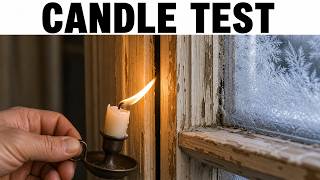
Seal every seam, corner and penetration with acoustical sealant. Press the barrier tight around wires and framing so no warm air leaks through.
Check the barrier for tears or loose edges and patch them with spare plastic and sealant. A continuous seal matters more than neat folds.
Install interior sheathing over the barrier, nailing or screwing panels to the studs. Leave small gaps at the floor for airflow if the coop needs venting.
Inspect the finished roof and ceiling from outside and inside. Confirm fasteners are flush and no barrier is exposed to weather or birds.
Tips and common mistakes
Wear safety glasses and gloves when cutting metal panels and insulation.
Keep the vapor barrier on the warm side of the insulation or trapped moisture can rot the framing.
Leave ventilation openings near the top of the coop so humid air can escape.
Overlap and seal barrier seams well; small gaps let cold air and moisture through.
Questions
Do I need a vapor barrier in a chicken coop?
In cold climates, yes. It keeps warm, moist air from condensing inside the roof and wall cavities, which causes rot and mold.
Can I use batt insulation instead of foam?
Yes, as long as it fills the cavity and stays dry. Rigid foam is easier to keep tight against rafters in a small coop.
How much ventilation should the coop have?
Enough that air moves without drafts on the birds. Leave vents high on the walls and keep them screened against predators.
This guide was drafted from the video's details and general task knowledge. It has not been checked against the full video. Check the video and relevant product instructions before following a procedure. Report a correction.