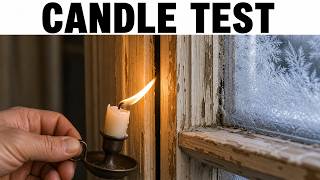
How 3 Million SENIORS Sleep & Survive Winter in Mobile Homes With No Insulation, by Buck the Mobile-Home Builder on YouTube. 8 min 32 s.
- Video length
- 8 min 32 s
- Time to do it
- 1 day
- Difficulty
- Medium
- Steps
- 8
What you need
Steps
Pick one or two rooms to heat and close the doors to the rest. Shrinking the living space costs far less than heating a whole mobile home.
Choose a space heater with a tip-over shutoff and keep it at least 3 feet from bedding, curtains and furniture. Never leave it running while you sleep.
Fit a carbon monoxide alarm near the bedrooms and test it once a month. Never use a gas oven or stovetop to heat the home.
Open the cabinet doors under the kitchen sink on freezing nights so room air reaches the pipes. Let the taps drip slightly to keep water moving.
Look under the home for tears in the belly wrap and gaps in the skirting, then patch them with repair tape, new insulation, caulk or spray foam.
Wrap exposed water lines under the floor and along the kitchen wall with foam pipe insulation. Those pipes freeze first.
Stretch clear shrink film over single-pane bedroom windows and seal it to the frame with a hair dryer. This cuts drafts and stops condensation.
Apply for the federal Weatherization Assistance Program if you qualify. It can seal the belly and ducts for eligible households.
Tips and common mistakes
Fix the floor and skirting before buying a bigger heater, because most heat is escaping downward.
An open oven door is a fire and carbon monoxide risk, so use a heater with a thermostat instead.
Homes built after June 15, 1976 meet stricter HUD insulation standards, so check your label first.
Questions
Where does most heat escape in an old mobile home?
Through the floor, the torn belly wrap and the gaps in the skirting. The walls are rarely the main problem.
Can I use my oven to warm the place up?
No. Leaving the oven door open raises carbon monoxide levels and can start a fire. Use a proper heater with a tip-over shutoff.
What should I fix first if I can only afford one thing?
Seal the biggest gap under the floor or in the skirting. That is where the most heat is lost.
This guide was drafted from the video's details and general task knowledge. It has not been checked against the full video. Check the video and relevant product instructions before following a procedure. Report a correction.