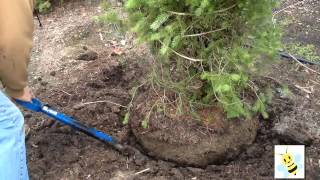
12 Flowers & Perennials to Transplant in October | Essential Tips & Mistakes to Avoid, by Garden Roots on YouTube. 28 min 36 s.
- Video length
- 28 min 36 s
- Time to do it
- 1 to 2 hours per clump
- Difficulty
- Medium
- Steps
- 8
What you need
Steps
Check your USDA zone and first frost date. Aim to transplant at least four to six weeks before the ground freezes so roots can settle.
Water the plant deeply the day before you lift it. Moist soil holds the root ball together and reduces stress on the roots.
Dig around the drip line with a garden fork and lift the whole clump. Keep as much soil on the roots as you can.
Split the clump with two forks back to back or a sharp knife. Keep sections with healthy roots and at least two or three growing shoots.
Replant at the same depth the plant grew before. Peonies go no deeper than 2 inches below the soil, and bearded iris rhizomes stay partly above the surface.
Firm the soil around the roots and water well to settle it. Top with 2 to 3 inches of mulch, keeping it clear of stems and crowns.
Divide hostas, daylilies, Shasta daisies, astilbe, bee balm and garden phlox now. Replant divisions straight away and never let the roots dry out.
Leave sedum and asters until spring. Move hydrangeas and coral bells carefully, keeping crowns at the right depth.
Tips and common mistakes
Planting peonies too deep is a common reason they skip flowering, so keep the crown just below the surface.
Do not bury the rhizomes of bearded iris, or they may rot and fail to bloom.
Water new transplants through dry autumn spells until the ground freezes.
Skip fall division in very cold zones if frost is close. Wait until spring instead.
Questions
Can I transplant peonies in October?
Yes, early autumn is a good time, but set the crown only about 2 inches deep. Deeper planting often means green leaves and no flowers next year.
Which perennials should wait until spring?
Sedum and asters are usually better left until spring. In cold zones, any plant moved too close to frost may not root before winter.
How much should I water after transplanting?
Water thoroughly right after planting to settle the soil. Then water when the top inch of soil feels dry until the ground freezes.
This guide was drafted from the video's details and general task knowledge. It has not been checked against the full video. Check the video and relevant product instructions before following a procedure. Report a correction.