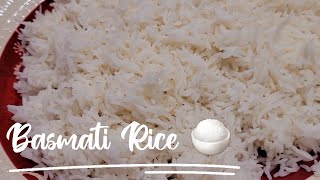
How To Make Perfect Basmati Rice #rice #indiancooking #simplefood, by Padma Lakshmi on YouTube. 1 min 28 s.
- Video length
- 1 min 28 s
- Time to do it
- 25 minutes
- Difficulty
- Easy
- Steps
- 8
What you need
Steps
Measure 1 cup of basmati rice into a bowl. Rinse it in cool water two or three times until the water runs mostly clear.
Drain the rice well in a fine sieve and shake off the extra water. No soaking is needed for this method.
Put the rice in a medium pot and add about 1.5 to 2 cups of water, so the water sits roughly one finger above the rice.
Add a small knob of butter or a teaspoon of oil. Do not add salt, since the flavour comes from what you serve with the rice.
Bring the pot to a boil over medium-high heat without stirring the rice.
Turn the heat to low, put the lid on tightly and cook for 10 to 12 minutes. Do not lift the lid while it cooks.
Take the pot off the heat and let it rest, covered, for 5 minutes so the steam finishes the grains.
Fluff the rice gently with a fork, lifting from the bottom instead of stirring, to keep the long grains whole.
Tips and common mistakes
Stirring or poking the rice while it cooks breaks the long grains, so leave it alone until the end.
If there is still water in the pot after 12 minutes, put the lid back on and let the rice steam off the heat for a few more minutes.
Use a pot with a tight-fitting lid so the steam stays in and the rice cooks evenly.
Skip the salt while cooking, then season the finished dish through the curry, stew or lemon rice you serve it with.
Questions
Do I really not need to soak basmati rice?
No. Rinsing and draining is enough for this method. Soaking is optional and mainly helps if you want extra-long grains or a shorter cooking time.
How much water should I use for 1 cup of rice?
Use about 1.5 to 2 cups of water. The water should sit roughly one finger above the level of the rice in the pot.
Why is my basmati rice sticky or broken?
Stirring during cooking and lifting the lid too often are the usual causes. Keep the lid on, cook on low and fluff with a fork at the end.
This guide was drafted from the video's details and general task knowledge. It has not been checked against the full video. Check the video and relevant product instructions before following a procedure. Report a correction.