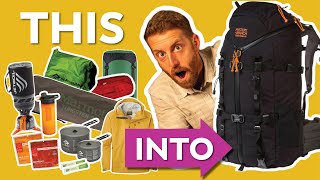
Shift your start to Sunday afternoon and hike in as the weekend crowds drive home. This suits hikers who can finish with a headlamp and want a quieter trailhead during peak fall color. Check the forecast first, since late starts are not safe everywhere.
YouTube video: How to Avoid Crowds at Popular Trailheads (Sunday Afternoon Trick)
Caption availability is unknown. Check the CC control in the YouTube player.
Choose a chapter (12)
- Video length
- 9 min 15 s
- Time to do it
- 1 afternoon and 1 night
- Difficulty
- Easy
- Steps
- 8
What you need
Steps
Check the forecast before you commit. Look at NOAA and Mountain Forecast for the trailhead area, and skip the late start if afternoon thunderstorms are common there, as in Colorado.
Plan to reach the trailhead around 4 PM on a Sunday, when most weekend visitors are packing up and driving home.
Scout the trailhead and nearby camping options ahead of time so you know where to park and sleep.
Set up your car camp before you hike, so your spot is ready when you come back in the dark.
Pack for a late-day fall hike: warm layers, hand warmers and a headlamp. The temperature drops fast after sunset.
Start hiking in the afternoon and time your turnaround so you catch alpenglow at sunset near the lake or ridge.
Expect to walk back with your headlamp on. Bring it even if you think you will finish in daylight.
Prepare for a cold night and a frozen morning. The test night hit 29°F, so keep gear dry and layers within reach.
Tips and common mistakes
Carry a repair kit for small gear failures, since a broken tent zipper can be fixed in the field without a needle or thread.
Popular trails are still busy at viewpoints and lakes, so expect some company even with a quiet trailhead.
Tell someone your plan and expected return time if you are coming down after dark.
Weigh the trade-off: fewer cars at the lot does not always mean an empty trail.
Questions
Is a Sunday afternoon start always safer than a morning start?
No. It works where evenings are calm, but in places with afternoon thunderstorms a late start can put you on exposed ground in bad weather. Check the forecast first.
What should I bring for a late fall hike?
Pack layers, hand warmers and a headlamp. Temperatures can drop to freezing overnight, so plan for a cold walk back.
Where was this tested?
On the Blue Lake trail off the North Cascades Highway in Washington, during fall larch season.
The notes are drafted automatically from video details and general task knowledge. How the guide was prepared
Report a correction