How I Read Closely: Notes, Marginalia, and Databases, by A Life of Reading – Gabriela de Mendonça Gomes on YouTube. 36 min 5 s.
- Video length
- 36 min 5 s
- Time to do it
- 30 minutes to set up, then a f
- Difficulty
- Easy
- Steps
- 9
What you need
Steps
Pick a book you own and can write in. Treat each reading session as a conversation with the author and with past readers.
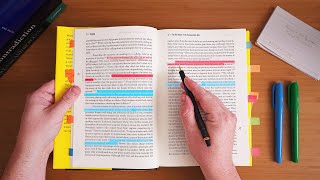
Choose a simple marking system before you start. For example, underline key passages, put a line in the margin beside important paragraphs and a star beside ideas you want to revisit.
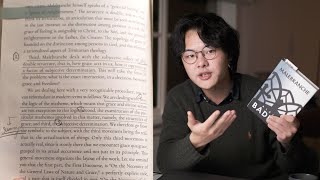
Read with a pen in hand and write short marginal notes as you go. Ask questions, disagree, and link passages to other books you have read.
Build a book index at the front or back. List the topics you marked with their page numbers so you can find them again later.
For library books or borrowed copies, use sticky notes or flags instead of writing in the book. Keep the same marking system so your notes stay consistent.
After finishing, write a short post-reading note in the style of Montaigne. Summarise the main ideas, your reactions and what you want to remember.
Reread your notes and the marked passages after a few weeks. Add new thoughts and connect them to what you have read since.
Set up a database to store your notes. Make one list by topic, one by person or author, and one by century or period, and add each book to the relevant lists.
Keep a commonplace notebook for quotes and ideas, a bullet journal for reading plans and a diary for personal reflections. Link each entry back to the book and page.
Tips and common mistakes
Use a pencil if you might want to erase marks, and keep your symbols the same across every book so the index stays readable.
Do not copy long passages into your notes. Write one or two lines in your own words so the note is useful later.
For audiobooks and ebooks, keep a single note file and add the timestamp or location instead of a page number.
Questions
Can I annotate books I borrow from the library?
Not by writing in them. Use sticky notes or flags and keep your notes in a separate notebook or app, then transfer the page references.
Do I need a digital database to start?
No. A notebook with a topic list and a page index works well. A database helps once you have many books and want to search across them.
How often should I reread my notes?
A short review after a few weeks and again at the end of the year is enough to keep the ideas fresh and spot connections between books.
This guide was drafted from the video's details and general task knowledge. It has not been checked against the full video. Check the video and relevant product instructions before following a procedure. Report a correction.