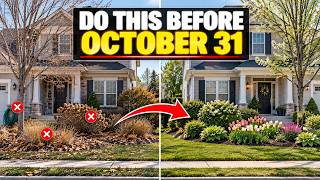
How to Transition Your Lawn Into Winter (and Why Fall Feeding Matters Most), by Milorganite Fertilizer on YouTube. 2 min 34 s.
- Video length
- 2 min 34 s
- Time to do it
- 1 hour
- Difficulty
- Easy
- Steps
- 9
What you need
Steps
Clear fallen leaves and debris off the lawn first. Grass needs light and air, and fertilizer granules should land on soil and blades, not on a mat of leaves.
Mow one last time before the grass goes dormant. Take off about a third of the blade height and keep the mower deck a notch higher than your summer cut.
Check your soil test or the fertilizer bag before you buy. Fall feeds lean on nitrogen and potassium, and phosphorus is only needed if a test shows it is low.
Set the spreader to the rate printed on the bag and fill it on a hard surface or tarp, not on the grass, so spills do not burn the lawn.
Apply half the fertilizer walking north to south, then the other half walking east to west. Overlapping passes in two directions gives even coverage with no stripes.
Sweep or blow any granules off the driveway, path and gutter back onto the lawn. Fertilizer washed into drains feeds weeds and pollutes water.
Water lightly, about a quarter inch, so the granules rinse off the blades and down to the soil. Skip this if steady rain is coming within a day.
Keep leaves off the lawn through late fall and water during dry spells until the ground freezes. A dormant lawn still needs moisture going into winter.
Service your mower before you store it: sharpen or replace the blade, change the oil, and run the tank dry or add fuel stabilizer.
Tips and common mistakes
Fertilize while the grass is still green and growing, usually four to six weeks before the ground freezes, not after it has gone brown.
Do not push a fast-release high-nitrogen feed in late fall. It encourages soft growth that cold weather kills.
Wear gloves and wash your hands after spreading, and keep pets and kids off the lawn until the granules have been watered in.
Skip the feed on frozen ground or before heavy rain, since the fertilizer will just run off.
Questions
When should I put down the last fertilizer of the year?
Apply it while the grass is still growing but slowing down, roughly four to six weeks before your first hard freeze. In most cool climates that lands in mid to late fall.
Does a fall feed really make a difference in spring?
Yes. The roots store those nutrients over winter, so the lawn greens up faster and fills in thicker when growth restarts. It is the feed that does the most work for the least effort.
Can I fertilize after the first frost?
A light frost is fine if the grass is still green and the soil is workable. Once the ground is frozen or the lawn is fully brown, wait until spring.
This guide was drafted from the video's details and general task knowledge. It has not been checked against the full video. Check the video and relevant product instructions before following a procedure. Report a correction.