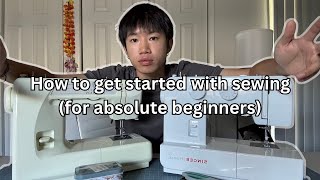
An Introduction to Sewing Machines For Beginners, by Cornelius Quiring on YouTube. 21 min 49 s.
- Video length
- 21 min 49 s
- Time to do it
- 30 minutes
- Difficulty
- Easy
- Steps
- 10
What you need
Steps
Pick a simple mechanical machine with a few stitch options and a clear manual. Avoid fancy computer models until you can sew a straight seam.
Wind thread onto the bobbin, then drop it into the bobbin case under the needle plate. Check the thread pulls the right way.
Raise the presser foot and needle. Pass the thread through the guides, tension discs and take-up lever, then through the needle from front to back.
Turn the dials to choose a straight stitch, about 2.5 mm length. Set stitch width to zero for a straight seam.
Fit a new needle for your fabric, flat side facing back and pushed up fully. Use a fresh needle for each project.
Attach the presser foot, lower it onto the fabric and hold both thread tails behind the machine before you start.
Sew a test seam on scrap fabric. If loops appear underneath, tighten the top tension one step at a time.
Adjust the pressure regulator for thick or thin fabric so the presser foot holds the cloth without puckering it.
If stitches skip, change the needle, rethread the machine and clean lint from the bobbin area. Test again.
Brush out lint after each session and oil the machine where your manual says. Keep the cover on between uses.
Tips and common mistakes
Keep your fingers clear of the needle and unplug the machine before changing the needle or cleaning it.
Always sew on scrap fabric first to check tension and stitch length.
Match needle size and thread weight to the fabric; heavy thread in a small needle causes skipped stitches.
Let the machine feed the fabric; pulling it can bend the needle and spoil the seam.
Questions
Do I need to wind a bobbin before I start?
Yes. The machine needs a full bobbin in the case to form stitches, so wind one with matching thread first.
Why are my stitches looping underneath?
Loops under the fabric usually mean the top tension is too loose or the machine is threaded wrong. Rethread with the presser foot up and tighten the top tension a little.
How often should I change the needle?
Change it after about 8 to 10 hours of sewing, or sooner if it is bent, blunt or skipping stitches.
This guide was drafted from the video's details and general task knowledge. It has not been checked against the full video. Check the video and relevant product instructions before following a procedure. Report a correction.