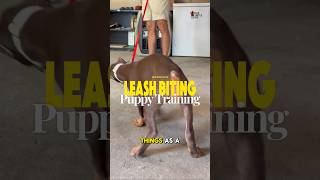
Puppy Owners ALWAYS Ask These 10 Questions, by McCann Dog Training on YouTube. 10 min 38 s.
- Video length
- 10 min 38 s
- Time to do it
- 30 minutes
- Difficulty
- Easy
- Steps
- 9
What you need
Steps
Attach a light leash as a house line when your puppy is loose indoors. It lets you guide or stop the puppy without grabbing it, and keeps it near you.
Watch for potty signals: sniffing the floor, circling, sudden restlessness or heading to the door. Take the puppy outside straight away and praise it after it goes.
Match crate time to age. A young puppy can hold its bladder only about one hour per month of age, so plan potty breaks and keep crate sessions short.
Teach a name response and a sit first. Say the name, reward eye contact, then lure a sit with a treat and reward before adding other cues.
Handle biting by ending play the moment teeth touch skin. Stand still or step away, then offer a chew toy and resume play when the puppy is calm.
Teach recall indoors on a house line. Say the cue once in a happy voice, reward heavily when the puppy comes, and never scold it after it arrives.
Stop begging by feeding meals in the crate or away from the table and ignoring whining. Keep jumping from earning attention: turn away until all four paws are down.
Manage cat chasing with a house line and a baby gate. Reward the puppy for looking at the cat calmly and give it a bed or chew to settle on.
Socialize safely by carrying your puppy in low-dog-traffic areas before its shots are complete. Invite calm, vaccinated adult dogs and gentle people to meet it.
Tips and common mistakes
Keep potty trips boring and quick so the puppy learns outside is for going, not play.
Never punish a puppy for an accident found later; clean it with an enzyme cleaner and tighten the schedule.
End every training session after a few successes so the puppy stays keen and you stay calm.
Ask your vet about safe socialization timing in your area before meeting unknown dogs.
Questions
How long can a puppy stay in a crate?
Roughly one hour per month of age, up to about four hours for a young puppy. Use potty breaks and daytime exercise so crate time stays short.
Why does my puppy bite so much?
Biting is normal puppy play and teething. End play when teeth touch skin, redirect to a chew toy, and keep sessions short and calm.
When should I start training commands?
From the first day home. Start with name response and sit, use tiny treats, and keep each session to a few minutes.
This guide was drafted from the video's details and general task knowledge. It has not been checked against the full video. Check the video and relevant product instructions before following a procedure. Report a correction.