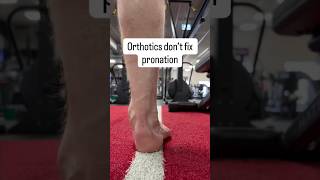
Build a stronger arch with a short daily routine of foot doming, toe scrunches and calf raises. It suits anyone with flat feet or collapsing arches who wants better foot control and balance. You need bare feet, a towel and a small ball, plus about 10 minutes a day.
YouTube video: He Built Stronger Arches in 60 Seconds (FLAT FEET FIX!)
Caption availability is unknown. Check the CC control in the YouTube player.
- Video length
- 1 min 6 s
- Time to do it
- 10 minutes
- Difficulty
- Easy
- Steps
- 7
What you need
Steps
Sit on a chair with your bare feet flat on the floor and your heel and the ball of your big toe pressing down. Keep your toes relaxed and long, not curled.
Without curling your toes, lift the arch of one foot so the base of the big toe stays on the floor. This is the short foot or foot doming move.
Hold the lifted arch for 5 seconds, then lower slowly. Do 10 slow reps on each foot for 3 sets.
Put a towel on the floor and scrunch it toward you with your toes for 30 seconds per foot. Keep your heel still on the ground.
Stand with feet hip width apart and roll a small ball under your arch for 30 to 60 seconds per foot to loosen the sole.
Stand tall, press through the ball of your big toe and lift both heels slowly. Rise for 2 seconds and lower for 3. Do 3 sets of 12.
Finish by standing on one foot for 20 to 30 seconds per side with the arch lifted. Hold a wall if you wobble.
Tips and common mistakes
Keep your toes flat and long during foot doming, since curling them works the wrong muscles.
Do the routine barefoot and slowly, because speed makes the arch collapse again.
Stop if you feel sharp pain in the arch or heel and rest for a day.
Progress by adding reps before you add resistance, and expect a few weeks before changes show.
Questions
How often should I do these exercises?
Aim for once a day, 5 or 6 days a week. Consistency matters more than long sessions, so 10 focused minutes beats an occasional hour.
Can exercises fix flat feet permanently?
They can improve arch control, balance and how your foot handles load, but they will not change the bone structure you were born with. Many flexible flat feet still do well with stronger muscles.
Should I wear shoes or go barefoot?
Start barefoot so you can feel the muscles working. Once the moves feel easy, you can practise the standing calf raises in flat shoes.
The notes are drafted automatically from video details and general task knowledge. How the guide was prepared
Report a correction