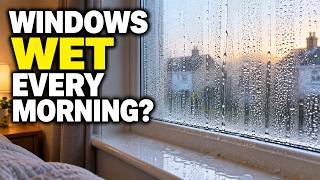
Sealing a house up for winter traps moisture, and that moisture shows up as spring mold. This guide shows you where to spray 3% hydrogen peroxide, what to leave open for airflow, and how to keep indoor humidity in check. It suits any homeowner doing a fall shut-down.
YouTube video: Before You Close Up Your House This Winter, Do This With Hydrogen Peroxide (Or Pay for It in Spring)
YouTube’s video details do not confirm captions. Check CC in the player for available tracks.
Choose a chapter (12)
- Video length
- 16 min 16 s
- Time to do it
- 30 minutes
- Difficulty
- Easy
- Steps
- 8
What you need
Steps
Before you seal anything, fill a spray bottle with plain 3% hydrogen peroxide. Spray the cold, damp-prone spots: grout, caulk, tile, window glass, sills, tracks and rubber seals.
Let the peroxide sit for about 10 minutes, then wipe the surface dry with a cloth. Work through one window and the bathroom at a time.
Spot-test peroxide on painted or coloured surfaces first, and keep it in its brown bottle away from light. Never mix it with vinegar in the same bottle.
Wipe the rubber gasket on your washing machine, then leave the washer and dishwasher doors cracked open instead of shut tight.
Prop closet doors open a few inches and stop storing towels, linens and mattresses in sealed, airless spaces. Airflow does more for soft items than any spray.
Don't over-seal the whole house. Trapped moisture condenses on hidden cold surfaces inside exterior walls, basements and crawl spaces.
Put a humidity gauge in the dampest room and aim to keep indoor relative humidity under about 60 percent, ideally 30 to 50 percent. Run a dehumidifier in a damp basement.
Dry any damp patch within 24 to 48 hours. Peroxide is a surface and prevention tool, so call a professional if mold is already inside drywall or framing.
Tips and common mistakes
Never mix hydrogen peroxide and vinegar in one bottle, because it forms peracetic acid, a corrosive irritant.
Open a window or run a fan while you spray, and wear gloves if your skin is sensitive.
Peroxide will not fix an active leak. Find and fix the water source first or the mold returns.
Check under sinks, around window tracks and behind the washer for damp you cannot see.
Questions
Does hydrogen peroxide kill mold on windowsills?
It cleans and reduces mold on hard surfaces like glass, tile, grout and seals. It does not soak into drywall or wood, so deep growth needs a professional.
How do I know if my house is too humid?
A cheap humidity gauge tells you. Keep rooms under about 60 percent, ideally 30 to 50 percent, and ventilate bathrooms and kitchens while in use.
Can I use bleach instead?
The video recommends peroxide for a closed-up house because it breaks down into water and oxygen. Whichever you use, never mix it with other cleaners.
The notes are drafted automatically from video details and general task knowledge. How the guide was prepared
Report a correction