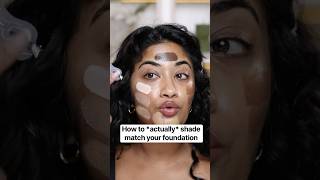
Why Your Makeup Separates After 2 Hours (Not Your Skin) | UK Autumn Fix, by Shine With Sajal on YouTube. 2 min 52 s.
- Video length
- 2 min 52 s
- Time to do it
- 15 minutes
- Difficulty
- Easy
- Steps
- 9
What you need
Steps
Cleanse your face and pat it dry. Wait a minute so your skin is clean but not damp before you start layering products.
Apply a thin layer of moisturiser and let it sink in fully. If your skin feels tight in cold weather, use a richer cream.
Add a small amount of primer and press it into areas that go patchy first, usually the nose, cheeks or forehead.
Keep your layers light. Skip extra serums, oils or heavy creams under makeup on days when your foundation tends to separate.
Apply foundation in thin layers with a damp sponge or brush. Build up only where you need more coverage.
Let the foundation settle for a minute before powdering. This helps it grip instead of sliding.
Press a light dusting of powder only onto oily or creasing spots. Use a small brush and tap off the excess first.
During the day, blot shine with a tissue or blotting paper before you touch up. Then pat a tiny amount of foundation over patchy areas.
Avoid piling powder over powder when you touch up. Too many layers is a common cause of separation.
Tips and common mistakes
Warm indoor heating and cold outdoor air both affect your skin, so adjust your moisturiser to the day.
Use less product overall. Thin layers sit better than one thick layer of foundation.
If your makeup always breaks up in the same spot, check whether you are applying too much primer there.
Carry blotting papers rather than a heavy powder compact for quick touch-ups on busy days.
Questions
Why does my foundation separate after two hours?
It is usually too many layers of product, excess oil or dry skin underneath. Thinner layers and better prep help it last longer.
Should I use more powder to stop separation?
No. Extra powder can make patchiness worse. Powder only the areas that get shiny and blot during the day instead.
Do I need a new foundation?
Not necessarily. Try adjusting your prep and layering first, since the way you apply products often matters more than the product itself.
This guide was drafted from the video's details and general task knowledge. It has not been checked against the full video. Check the video and relevant product instructions before following a procedure. Report a correction.