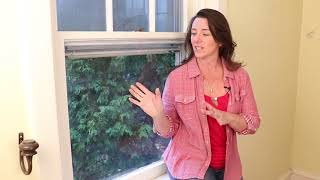
Seal the gaps that let cold air into your house and you will feel warmer and spend less on heating. This guide covers door sweeps, weather stripping, window sashes, old frame cracks and outlets on outside walls. It suits any homeowner with basic tools and a free afternoon.
YouTube video: How to Stop Cold-Air Leaks in Winter | This Old House
Caption availability is unknown. Check the CC control in the YouTube player.
- Video length
- 2 min 38 s
- Time to do it
- 2 hours
- Difficulty
- Easy
- Steps
- 8
What you need
Steps
Walk around each exterior door and window and feel for drafts, or look for daylight along the edges. Note where the cold gets in so you buy the right seal for each gap.
Measure the width of the door and cut a door sweep to length with a handsaw or aviation snips. Screw it to the bottom of the door so the flap just touches the threshold.
Clean the door jamb, then fit weather stripping around the full perimeter so it compresses when the door closes. Nail or stick it down so it stays put.
Lock the sash lock on double-hung windows for the winter. The lock pulls the top and bottom sashes tight together and closes the gap between them.
Add weather stripping to the top and bottom sash where they meet the frame. Press it into the gap so the window still slides, closes and latches.
Push foam backer rod into cracks in older window frames, or fill them with removable caulk that you can peel out in spring.
Seal holes around pipes and framing with minimal-expanding foam. Spray a thin bead, let it cure, then trim the excess flush with a utility knife.
Take off the faceplates of outlets on exterior walls and fit a foam gasket behind each one. Screw the plate back on with a drill/driver.
Tips and common mistakes
Use minimal-expanding foam around frames, not the standard kind, because it can bow the wood as it cures.
Test every door and window after sealing. It should close and latch without force, or the seal is too thick.
Cut away from your body and work over a scrap board when trimming foam or caulk with a utility knife.
Check the seals again next autumn, since weather stripping flattens and door sweeps wear down over time.
Questions
How do I find the leaks in the first place?
On a windy day, run your hand slowly along door frames, window edges and sill plates. You will feel cold air moving where the seal has failed.
Can I use ordinary expanding foam around windows?
No. Standard foam expands with enough force to jam a window or bend a frame. Buy a can marked minimal-expanding and apply a thin bead only.
Does removable caulk ruin the paint?
It is made to peel away in spring, so it usually lifts cleanly. Keep it out of the joints you plan to repaint that season.
The notes are drafted automatically from video details and general task knowledge. How the guide was prepared
Report a correction