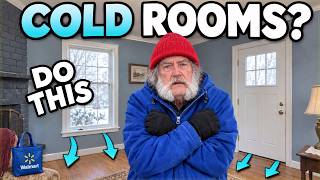
Pick one small room to heat and run it with a safe, vented heat source when the power and gas are out. This guide suits homeowners planning for a winter outage and covers room choice, fireplaces, wood and pellet stoves, and propane and kerosene heaters. You need a carbon monoxide alarm and a working smoke alarm first.
YouTube video: How to Stay WARM for 30 Days Without Electricity or Gas
Caption availability is unknown. Check the CC control in the YouTube player.
Choose a chapter (7)
- Video length
- 17 min 13 s
- Time to do it
- 1 hour to set up, then daily c
- Difficulty
- Medium
- Steps
- 8
What you need
Steps
Pick one small room with a door you can close, ideally an interior room with few windows. Heating a whole house without power is not realistic, so shrink the space you keep warm.
Install a carbon monoxide alarm in that room and test your smoke alarm. Do this before you buy or run any fuel-burning heater.
Check your fireplace before using it. Open the damper fully and confirm it stays open, because a closed or partly closed damper can push smoke and carbon monoxide into the room.
If you have a wood stove, burn only dry, seasoned wood and keep the flue clear. Never run a pellet stove in a blackout unless the maker says it works without mains power, since most need electricity to feed pellets.
Choose a propane heater rated for indoor use and match it to the room size. Vent-free and vented models are not interchangeable, so read the label and follow the clearance distances.
Set up a refillable propane tank outdoors and check the hose and connections with soapy water for leaks. Never refill or store the tank inside the house.
If you use a kerosene heater, buy clean K-1 kerosene, fill it outdoors, and store fuel in an approved container away from living space. Never mix fuels or top up a hot heater.
Seal the room with a draft stopper at the door and hang blankets over windows. Crack one window slightly when the heater maker calls for ventilation, and check the alarm each day.
Tips and common mistakes
Never run a generator, camp stove or charcoal grill indoors, even in a garage, because carbon monoxide kills quietly.
A fireplace can pull more warm air out of a house than it gives back, so treat it as backup, not your main plan.
Store all fuel away from the heated room and keep a fire extinguisher within reach.
Test your carbon monoxide alarm monthly and replace the batteries on schedule.
Questions
Can I just heat my whole house with a propane heater?
No. Most portable heaters are rated for one room, and running several in closed spaces raises carbon monoxide risk. Close off one small room and heat only that.
Is a kerosene heater safe indoors?
Only a modern model rated for indoor use, with clean fuel and proper ventilation. Follow the maker's clearance and venting rules and keep a carbon monoxide alarm in the room.
Why does my pellet stove stop in a blackout?
Most pellet stoves use electric augers and fans, so they quit when the power does. Check whether your model has a battery backup before relying on it.
The notes are drafted automatically from video details and general task knowledge. How the guide was prepared
Report a correction