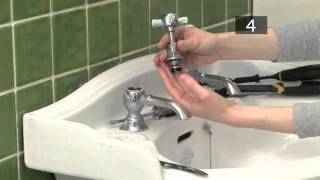
You will swap a leaking radiator valve (TRV) on a sealed combi system without draining the whole heating circuit. It suits confident DIYers and trainee plumbers working on their own system. You need a replacement TRV that matches your pipe size, plus a way to top the pressure back up.
YouTube video: How to Replace a Radiator TRV Without Draining the Whole Heating System #heatingengineer #plumbing
YouTube’s video details do not confirm captions. Check CC in the player for available tracks.
- Video length
- 1 min 26 s
- Time to do it
- 30 minutes
- Difficulty
- Medium
- Steps
- 8
What you need
Steps
Turn the boiler off and isolate it so no more water is pushed into the heating circuit while you work.
Close both radiator valves, then open the bleed valve to release pressure and drain the small amount of water left in the radiator.
Put a towel and bucket under the old valve, then loosen the nuts and remove the leaking TRV from the pipe.
Clean the pipe end and fit the new radiator tail, sealing the threads with PTFE tape or jointing compound.
Fit the new TRV onto the pipe and tighten the nuts firmly, but do not overtighten the olives.
Open the valves, refill the system using the filling loop until the boiler gauge reads its normal cold pressure.
Bleed the radiator with a bleed key until water runs steadily, then top the pressure up again if it dropped.
Run the heating and check the new valve and tail for leaks once the radiator is hot.
Tips and common mistakes
Photograph the old valve and pipe layout before you remove anything so the new one goes back the same way.
Expect a small amount of black water from the radiator, so keep the towel under the joint the whole time.
Check the boiler pressure again after the first heat-up, since trapped air often makes it drop.
If you are not confident with sealed heating systems, get a qualified heating engineer to do the swap.
Questions
Do I really not need to drain the system?
On a sealed combi system you can isolate the boiler and work on one radiator without draining the whole circuit. You only drain the water held in that radiator.
What pressure should the boiler be at afterwards?
Refill to the cold pressure marked on the boiler or in its manual, usually around 1 to 1.5 bar. Bleed the radiator and top up again if it falls.
Why is the new valve leaking at the tail?
The tail thread is usually the culprit. Reseal it with fresh PTFE tape or jointing compound and tighten it again, not the valve body.
The notes are drafted automatically from video details and general task knowledge. How the guide was prepared
Report a correction