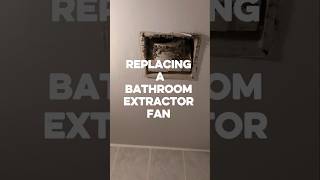
Swap an old, dusty bathroom ceiling fan for a new one in a short DIY job. It suits beginners who are comfortable turning off a breaker and working on a step ladder. You need a replacement fan that fits your existing opening and basic hand tools.
YouTube video: How To Install A Bath Exhaust Fan | DIY
YouTube’s video details do not confirm captions. Check CC in the player for available tracks.
- Video length
- 6 min 12 s
- Time to do it
- 45 minutes
- Difficulty
- Medium
- Steps
- 8
What you need
Steps
Turn off the bathroom fan circuit at the breaker box. Test the wires with a voltage tester before you touch anything.
Climb a stable step ladder and remove the fan grille. Most grilles pull off or are held by a screw or a spring clip.
Unscrew the fan housing from the ceiling and lower it carefully. Note which wire goes to line, neutral and ground.
Disconnect the wires and remove the old fan. Check that the new fan fits the same opening and duct size.
Connect the new fan wires to the house wiring with wire nuts. Match black to line, white to neutral and green or bare to ground.
Tuck the wires into the housing and screw the new fan to the ceiling joists or the existing mounting frame.
Attach the duct to the fan outlet and seal the edges with foil tape so air does not leak.
Snap the grille back on, restore power at the breaker and test the fan. Listen for rattles and check that air flows out of the vent.
Tips and common mistakes
Never rely on the wall switch alone. Kill the breaker and confirm with a tester.
Buy a fan with the same duct size, usually 4 inch, or you will need an adapter.
Work from a sturdy step ladder and keep both feet below the top step.
Questions
Do I need to remove the ceiling drywall?
Usually no. Most fans mount to the existing frame or joists through the same opening, so you only remove the grille and housing.
What if the new fan is smaller than the old opening?
You can patch the ceiling or use a mounting frame or adapter plate made for the new fan size.
How do I know the fan is venting outside?
Check that the duct runs to an exterior wall or roof cap, not into the attic. Poor venting causes moisture and mold.
The notes are drafted automatically from video details and general task knowledge. How the guide was prepared
Report a correction