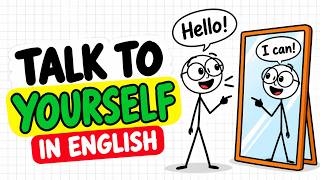
You can build English speaking confidence without a partner by using simple daily habits at home. This suits beginners who want to speak more naturally and have a few minutes each day. All you need is a quiet space and a mirror.
YouTube video: Practice English Alone at Home | Easy English Speaking Tips
YouTube’s video details do not confirm captions. Check CC in the player for available tracks.
Other videos for this task
- How to practise English speaking alone at home 6:05 · 7 written steps
- How to practise English speaking alone at home 12:16 · 7 written steps
- Video length
- 11 min 51 s
- Time to do it
- 15 minutes a day
- Difficulty
- Easy
- Steps
- 6
What you need
Steps
Stand in front of a mirror and say simple sentences out loud, such as greetings or a short self-introduction. Watch your mouth and face as you speak.
Talk to yourself in English while you do chores, like describing what you are cooking or cleaning. Say the words out loud instead of only thinking them.
Take one sentence you know and change it into questions, negatives and past tense. Say each new version out loud to build sentences.
Write down five new words each day with a short example sentence. Read the sentences aloud and use each word in a spoken sentence of your own.
Set a fixed daily slot of about 10 to 15 minutes for speaking practice. Keep the same time so it becomes a habit.
Record yourself on your phone once a week and listen back. Note words you struggled to say and repeat them slowly.
Tips and common mistakes
Mistakes are part of learning, so keep speaking instead of stopping to correct every error.
Start with short, easy sentences and add longer ones as you get comfortable.
Turn on subtitles when you watch English videos to connect sounds with words.
Questions
Do I need a partner to practise speaking?
No. Mirror practice and self-talk let you speak out loud alone, which builds confidence before you talk to others.
How long should I practise each day?
About 10 to 15 minutes a day is enough to start. Short daily practice works better than one long session a week.
Will talking to myself really improve my English?
Yes, it gets you used to forming sentences out loud. Combine it with new vocabulary practice to keep improving.
The notes are drafted automatically from video details and general task knowledge. How the guide was prepared
Report a correction