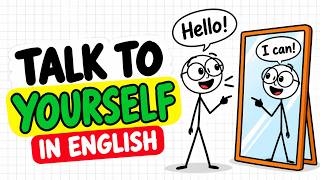
You can improve your English speaking without a partner by using simple daily habits. This guide suits beginner and intermediate learners who want more fluency and confidence. All you need is a few minutes a day and the willingness to speak out loud, even when you are alone.
YouTube video: How to Improve Your English Speaking Skills (by Yourself)
YouTube’s video details do not confirm captions. Check CC in the player for available tracks.
- Video length
- 5 min 15 s
- Time to do it
- 15 minutes a day
- Difficulty
- Easy
- Steps
- 7
What you need
Steps
Pick a short topic you know well, like your day or your favourite food. Spend one minute planning three or four points you want to say.
Speak about the topic out loud for two minutes without stopping. Do not worry about mistakes or a perfect accent.
Record yourself on your phone during the two minutes. This helps you hear your own pace and pronunciation.
Listen back once and note two things to fix, such as a slow word or a repeated phrase.
Try to think in English during small daily tasks, like making tea or walking to the bus. Name the objects and actions in your head.
Repeat the same topic the next day and aim to speak a little longer or more smoothly than before.
Do this for 10 to 15 minutes each day and keep a short log of what you practised.
Tips and common mistakes
Speak out loud, not just in your head, so your mouth gets used to English sounds.
Start with topics you already know well to lower the pressure and build confidence.
Small daily sessions beat one long weekly session for building fluency.
Questions
Do I need a perfect accent to speak English well?
No. Clear, consistent practice matters more than a perfect accent. Focus on being understood and speaking smoothly.
How long before I see progress?
It depends on how often you practise. Daily sessions of 10 to 15 minutes usually bring steady improvement over a few weeks.
What if I have no one to correct me?
Recording yourself lets you catch your own mistakes. You can also compare your speech with short audio clips from native speakers.
The notes are drafted automatically from video details and general task knowledge. How the guide was prepared
Report a correction