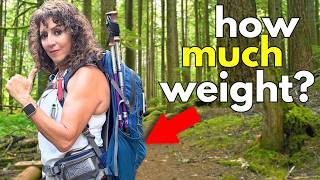
Gear to bring & how to wear your daypack (for older hikers), by Hiking Over 60 with Yolanda on YouTube. 10 min 23 s.
- Video length
- 10 min 23 s
- Time to do it
- 20 minutes
- Difficulty
- Easy
- Steps
- 9
What you need
Steps
Lay out everything you plan to carry and sort it into safety gear, water and food, clothing and small extras. Leave out anything you will not use on a single day hike.
Put the first aid kit, whistle and mylar blanket in first, low and close to your back. These are the items you hope never to need but must always carry.
Pack water and snacks in the middle of the pack so the weight sits against your spine. Keep a protein bar and electrolytes near the top for quick breaks.
Add the rain poncho and a spare layer, then push the mosquito net into an outer pocket. Roll soft items rather than folding them to save space.
Loosen all the straps, lift the pack onto one knee, then swing it onto your back. Slide your arms through both shoulder straps.
Tighten the hip belt first and set it on your hip bones, not your waist. Most of the pack weight should rest there, not on your shoulders.
Pull the shoulder straps snug, then clip and adjust the sternum strap across your chest. It should sit flat and not dig in.
Tighten the load-lifter straps at the top of the shoulders until the pack sits close to your back. Walk around the room and readjust anything that rubs.
Wear your wide brim or long brim hat, hiking socks and trekking poles on the trail. Use the fanny pack for your phone, map and snacks you want within reach.
Tips and common mistakes
Keep the total pack weight light and test it on a short walk before a full day out.
Check the first aid kit before each trip and replace anything used or expired.
Put the whistle on a cord you can reach without taking the pack off.
A hip belt that sits too high will push weight onto your shoulders and cause aches.
Questions
How heavy should a daypack be for an older hiker?
Keep it as light as you can while still carrying water, food, rain gear and safety items. Try it on at home and add weight only if you feel steady on your feet.
Where should the heaviest items go in a daypack?
Place heavier items in the middle of the pack, close to your spine. Keep light items like the poncho and spare layer toward the outside.
Do I need trekking poles for a day hike?
They help with balance and take strain off your knees on hills. Adjust them so your elbows are bent at about 90 degrees on flat ground.
This guide was drafted from the video's details and general task knowledge. It has not been checked against the full video. Check the video and relevant product instructions before following a procedure. Report a correction.