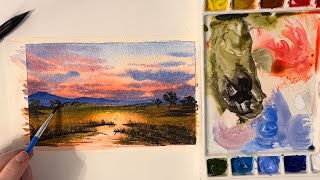
How to Mix Skin Tones: QUICK CLIP #4, by Andrew Tischler on YouTube. 5 min 35 s.
- Video length
- 5 min 35 s
- Time to do it
- 20 minutes
- Difficulty
- Easy
- Steps
- 7
What you need
Steps
Squeeze out small amounts of white, yellow, red and a dark blue or burnt umber onto your palette. Keep them spaced apart so you can pull colour from each without muddying the pile.
Start with a base of mostly white. Add a little yellow to warm it, then a touch of red to bring in the pink. Mix with the knife until even.
Test the mix on your surface. Compare it to the skin you are painting in good light. Adjust by adding tiny amounts of red or yellow rather than big squeezes.
For a deeper or tanned skin tone, add more yellow and red and less white. Build up gradually so you do not overshoot the colour.
To shift the tone cooler, add the smallest touch of blue or burnt umber. Add it bit by bit because a little goes a long way.
Mix a few variations: a lighter highlight tone, a mid tone and a darker shadow tone. Keep them separate on the palette so you can move between them.
Blend the tones on the canvas by working the mid tone into the shadow and highlight edges. Keep your brush clean between mixes.
Tips and common mistakes
Add dark colours in tiny amounts; it is much easier to darken a mix than to lighten it again.
Mix more paint than you think you need so you do not run out halfway through an area.
Check your skin tone against the reference in daylight, since indoor bulbs can make colours look warmer or cooler.
Keep your palette knife and brush clean between mixes to avoid muddy greys.
Questions
Can I use these mixes with acrylic paint?
Yes. The same white, yellow, red and dark colour approach works in acrylics. Acrylics dry faster, so mist the palette or use a wet palette to keep mixes workable.
How many colours do I really need?
You can get a usable range of skin tones from white, yellow, red and one dark colour such as burnt umber or blue. More colours help, but they are not required to start.
Why does my skin tone look grey or muddy?
Too much blue or dark colour, or a dirty brush, usually causes it. Add dark colours in tiny amounts and clean your tools between mixes.
This guide was drafted from the video's details and general task knowledge. It has not been checked against the full video. Check the video and relevant product instructions before following a procedure. Report a correction.