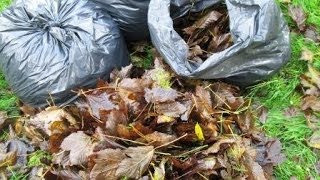
You can make good compost at home with little effort by layering greens and browns in a bin and turning it only now and then. This suits beginners and busy gardeners with a small garden or allotment. You need a bin, a mix of green and brown waste, and some patience.
YouTube video: The Art of Lazy Composting | How to Make High-Quality Compost the Simple Way
Captions are available. Use CC in the YouTube player.
Choose a chapter (12)
- Video length
- 9 min 21 s
- Time to do it
- 20 minutes to set up, then 6 t
- Difficulty
- Easy
- Steps
- 8
What you need
Steps
Pick a bin size that matches how much waste you produce. A small bin fills fast, so choose one you can keep adding to for months.
Collect green materials like fruit and veg scraps, unseeded weeds, grass clippings, coffee grounds and manure.
Collect brown materials like cardboard, newspaper, autumn leaves, straw, sawdust and wood ash.
Add ingredients as they come, alternating roughly one part greens to two parts browns. Do not worry about exact ratios.
Follow the one rule: never add cooked food, meat, dairy or diseased plants to the bin.
When the bin is full, stop adding to it and start a second bin. Leave the full one to break down.
Turn the pile with a fork every few weeks to add air. This speeds things up but is not essential.
Check the compost after a few months. It is ready when it is dark, crumbly and smells earthy, with little original material left.
Tips and common mistakes
Mix grass clippings with browns like cardboard so they do not mat into a slimy layer.
Keep the lid on and avoid adding cooked food to reduce rats and other pests.
Two bins work better than one so you can keep adding fresh waste while the other matures.
Questions
How long does lazy composting take?
Usually 6 to 12 months, depending on the season and how often you turn the pile. Warmer weather speeds it up.
Do I need to turn the compost?
No, turning is optional. It adds air and speeds things up, but the pile will still break down without it.
Can I put weeds in the bin?
Yes, as long as they have no seeds. Seeded weeds can survive and spread when you use the compost.
The notes are drafted automatically from video details and general task knowledge. How the guide was prepared
Report a correction