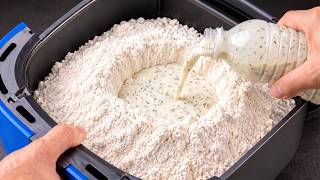
Sourdough Masterclass for Beginners (No More Flat Loaves), by Keep it Sweet Kitchen on YouTube. 41 min 48 s.
- Video length
- 41 min 48 s
- Time to do it
- 24 hours (mostly waiting)
- Difficulty
- Medium
- Steps
- 9
What you need
Steps
Feed your starter and let it double in size before you bake. It should look bubbly and domed, and a spoonful should float in water.
Weigh 500 g flour and 350 g water into a bowl and mix until no dry flour remains. Cover and rest 30 to 60 minutes.
Add 100 g active starter and 10 g salt. Squeeze and fold the dough until everything is evenly combined.
Do four sets of stretch and folds, 30 minutes apart. Wet your hand, lift one side of the dough, fold it over, turn the bowl and repeat.
Cover the bowl and let the dough bulk ferment at room temperature until it is about 50 to 75 percent bigger and jiggly.
Turn the dough onto a lightly floured counter. Shape it into a tight round by folding the edges into the centre, then drag it on the counter to build tension.
Place the dough seam side up in a floured proofing basket, cover and chill in the fridge for 12 to 16 hours.
Heat the Dutch oven to 250 C. Tip the loaf onto parchment, score the top with a lame, then bake covered for 20 minutes.
Remove the lid and bake another 20 to 25 minutes until the crust is deep brown. Cool on a rack for at least 1 hour before slicing.
Tips and common mistakes
If your starter does not float, it is not ready and the loaf will be dense.
Underproofed dough feels tight and tears; overproofed dough is sticky and spreads, so watch the dough, not just the clock.
Use a digital thermometer to check your water and oven temperatures, since guessing is the most common beginner mistake.
Let the loaf cool fully before cutting, or the crumb will turn gummy.
Questions
How long does bulk fermentation take?
Usually 4 to 6 hours at warm room temperature, but it depends on your starter strength and kitchen temperature. Judge by how much the dough has grown, not by time alone.
Can I skip the cold ferment?
You can, but the overnight fridge rest improves flavour and makes scoring easier. Without it, bake the loaf right after shaping and expect a shorter shelf life.
Do I need a Dutch oven?
It traps steam and gives a better crust and rise. A heavy pot with a lid works, and you can also bake on a hot stone with a tray of water underneath.
This guide was drafted from the video's details and general task knowledge. It has not been checked against the full video. Check the video and relevant product instructions before following a procedure. Report a correction.